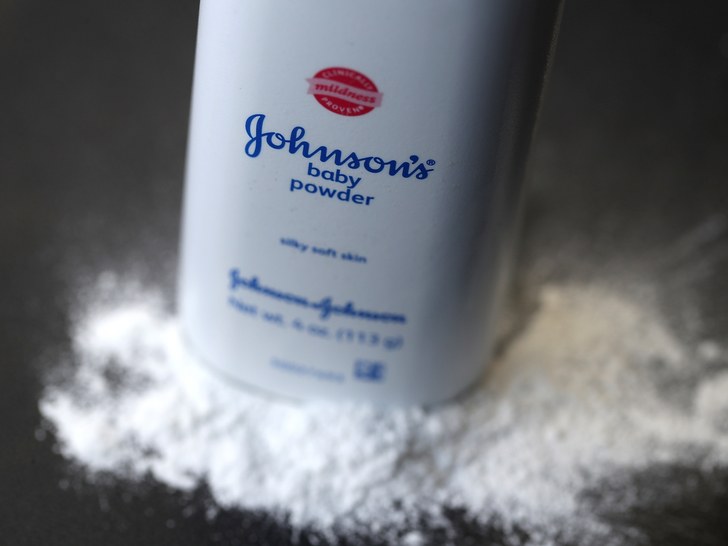
For many people, it is shocking to learn that products long marketed as gentle and safe may be associated with serious health risks. Baby powder is one such product. For decades, talc-based powders were commonly used for personal hygiene and infant care, often without a second thought. Over time, however, scientific research has raised troubling questions about whether talc exposure may increase the risk of ovarian cancer.
If you’ve been injured by a dangerous or defective product, the legal team at Shapiro, Washburn & Sharp can evaluate your case to determine what legal recourse you may have. We can assess your claim and guide you through the legal process to ensure you receive the compensation you deserve. Call us today at 833-997-1774 for a free consultation.
Why Is Talc in Baby Powder a Health Concern?
Talc is a naturally occurring mineral that is mined from the earth. When processed into a fine powder, it becomes easily airborne. These microscopic particles can be inhaled or settle on the skin during routine use. While talc has long been valued for its moisture-absorbing properties, those same fine particles are what raise health concerns.
When talc becomes respirable, meaning it can be breathed in or remain suspended in the air, it has the potential to enter the body. Scientists have known for years that inhaled talc can cause lung problems. More recently, attention has turned to what happens when talc is used repeatedly on or near the female genital area, where particles may migrate internally.
How Do Talc Particles Enter the Body?
One of the most important questions researchers have asked is how talc fibers actually get into the body. Many scientists believe that the primary pathway is transvaginal. When talc-based powder is applied to the genital area for drying or hygiene, particles may travel through the reproductive tract and reach the ovaries over time.
However, newer studies are also exploring whether inhalation plays a role. Because talc particles are extremely fine, they can be breathed in during application, especially in enclosed spaces. While it is still unclear whether respirable talc contributes directly to ovarian cancer, researchers have not ruled out this pathway. The possibility of multiple exposure routes adds complexity to understanding how talc affects the body.
What Do Epidemiological Studies Show About Talc and Ovarian Cancer?
Much of the evidence linking talc to ovarian cancer comes from epidemiological studies. Epidemiology focuses on patterns and associations within large populations rather than individual cases. These statistical studies compare groups of people with similar characteristics to determine whether certain exposures are linked to higher disease rates.
Several epidemiological studies have found that women who regularly used talc-based products around the genital area had higher rates of ovarian cancer than those who did not. These findings were consistent even when talc was used for reasons many considered harmless, such as routine hygiene or application on babies. While epidemiological studies do not prove causation on their own, the repeated associations across multiple studies have raised serious concerns.
Why Is This Information Important for Consumers Today?
Ovarian cancer is one of the most serious gynecological cancers and is often diagnosed at an advanced stage. Understanding potential risk factors is critical for prevention, early awareness, and informed decision-making. Many women used talc-based baby powder for years without any warning that it might carry cancer risks.
Today, the growing body of research has changed how scientists, doctors, and consumers view these products. Although researchers continue to study the exact biological mechanisms involved, there is increasing agreement that long-term talc exposure is associated with ovarian cancer risk.
For consumers, this information highlights the importance of transparency and informed choice. What were once considered the safest household products deserve careful scrutiny when scientific evidence evolves. Learning about the link between talc-based baby powder and ovarian cancer empowers individuals to ask questions, review past product use, and make health decisions based on the best available research.
If a woman has been diagnosed with ovarian cancer and believes it may be linked to talc powder use, she may have grounds for a legal claim. Consulting an experienced attorney specializing in product liability cases at Shapiro, Washburn & Sharp can help determine whether compensation is possible.
Call us at 833-997-1774 to schedule a free consultation, and let us help you get the compensation you deserve.
For many people, it is shocking to learn that products long marketed as gentle and safe may be associated with serious health risks. Baby powder is one such product. For decades, talc-based powders were commonly used for personal hygiene and infant care, often without a second thought. Over time, however, scientific research has raised troubling…
For many consumers, the possible connection between talcum powder and ovarian cancer feels like a recent revelation. In reality, concerns about talc and women’s health have been raised for decades. Internal industry knowledge, scientific studies, and government classifications show that questions about talc safety existed long before most consumers ever heard about the issue. Understanding…
Questions about baby powder, talc, and ovarian cancer have been raised for decades, but many people are unaware that researchers have specifically examined how these products may affect Black women. This issue is particularly important because ovarian cancer outcomes are often worse for Black women, and some manufacturers historically marketed talc-based powders for feminine hygiene…
Many people are only now learning about the potential connection between long-term talc-based baby powder use and ovarian cancer. This can be especially confusing for survivors who were diagnosed years ago and have since completed treatment. If you or a loved one used baby powder containing talc for many years before developing ovarian cancer, you…
Ovarian cancer is one of the most serious and deadly types of cancer, particularly among women. It is often diagnosed at later stages, making treatment more challenging and affecting the chances of survival. Treatment for ovarian cancer generally involves a combination of surgery, chemotherapy, and sometimes radiation. As ovarian cancer has been linked to talc…