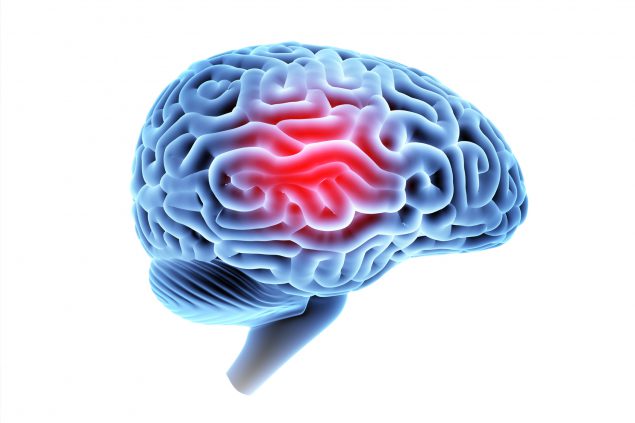
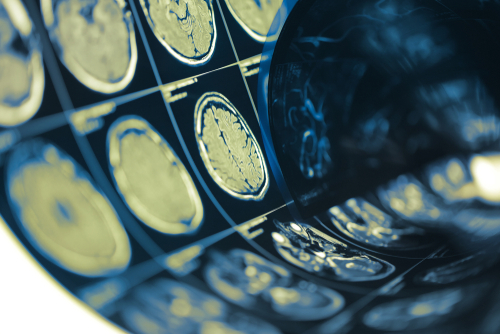
Traumatic brain injuries (TBI) are one of the most devastating types of injuries that can result from a car accident. In some cases, these injuries are easy to spot, especially when there is visible damage to the head or when diagnostic tools such as MRIs or CT scans show clear signs of injury. However, many TBIs, particularly mild ones, can be far more subtle and difficult to detect. Understanding the symptoms of TBI and knowing when to seek medical help can make a significant difference in the outcome of the injury. Here’s what you should know about recognizing a potential TBI after a car wreck.
What Are the Common Symptoms of Traumatic Brain Injury After a Car Wreck?
Traumatic brain injuries can manifest in a variety of ways, depending on the severity and location of the injury. In some cases, the symptoms are immediately apparent, such as visible head trauma or a noticeable change in the person’s consciousness or awareness. However, many TBIs, particularly mild cases, have more subtle signs that may not become obvious until hours or days after the accident.
Some common symptoms of TBI following a car wreck include:
Personality or Disposition Changes: If someone you love suddenly seems more irritable, depressed, or withdrawn than usual, this could be a sign of a brain injury.
Headaches: Persistent or severe headaches, especially if they worsen over time, are a common symptom of TBI.
Problems with Vision or Hearing: Blurry vision, double vision, or ringing in the ears (tinnitus) can occur after a brain injury.
Sensory Disturbances: Issues with taste or smell can also signal a brain injury.
Cognitive Changes: Difficulty with memory, concentration, or making decisions can indicate that the brain has been affected by the trauma.
If you or a loved one starts to experience any of these symptoms after a car accident, it’s important to seek medical attention immediately. In some cases, these symptoms can worsen if left untreated, and a prompt diagnosis is crucial for effective treatment.
Can Traumatic Brain Injury Occur Without a Blow to the Head in a Car Accident?
Yes, traumatic brain injuries can occur even without a direct blow to the head. One of the most insidious forms of TBI in car accidents is caused by the rapid acceleration and deceleration forces, known as whiplash. These forces can cause the brain to move violently within the skull, leading to internal injuries such as bruising, bleeding, or damage to the brain’s delicate tissues.
In these cases, the person may not have any visible injury to the head, but the impact of the whiplash can still cause significant damage to the brain. This is why it’s important to be aware of the symptoms of TBI, even if there is no obvious head injury. If a car accident causes the neck or head to jerk violently, the risk of a TBI is real, and it’s important to monitor for any signs of brain injury afterward.
How Can You Determine If a Traumatic Brain Injury Is Suspected After a Car Accident?
If you or a loved one has been involved in a car accident and shows signs of a possible traumatic brain injury, it’s important to seek medical attention right away. Your physician will likely conduct a thorough evaluation, which may include neurological tests, imaging such as CT scans or MRIs, and a review of your symptoms. While mild TBIs might not show up immediately on an MRI or CT scan, these tests can still provide valuable insight into whether further investigation is needed.
It’s important to talk to your doctor about your symptoms, the specifics of the accident, and any changes you’ve noticed. In some cases, a TBI may not be immediately diagnosed, but a doctor may recommend additional tests or monitoring over time to assess the injury’s progression. If you suspect a TBI, don’t hesitate to call our office for a free consultation to discuss your case and determine whether legal action may be necessary.
What Should You Do If You Suspect a Traumatic Brain Injury?
If you suspect that you or a loved one has suffered a traumatic brain injury following a car accident, the first step is to seek medical attention. Your doctor can evaluate your condition and may recommend imaging studies or further tests to confirm the diagnosis. Early intervention can help prevent complications and improve the chances of a better recovery.
Additionally, if a TBI is suspected, it’s important to document the symptoms and seek legal advice. A traumatic brain injury can lead to long-term consequences, including lost wages, medical expenses, and other forms of harm. By consulting with an attorney, you can explore your options for pursuing compensation and ensure that your rights are protected.
If you have any questions or need assistance with a potential TBI case, don’t hesitate to contact our office. We offer free consultations, whether by phone or in person, and we are here to help you understand your options and get the support you need.
Traumatic brain injuries (TBI) are one of the most devastating types of injuries that can result from a car accident. In some cases, these injuries are easy to spot, especially when there is visible damage to the head or when diagnostic tools such as MRIs or CT scans show clear signs of injury. However, many…
Traumatic brain injury (TBI) cases are often challenging because the nature of the injury is not visible to the naked eye, which is why these cases are sometimes referred to as “invisible injury” cases. Proving the extent and impact of a brain injury requires comprehensive medical evidence, careful collaboration with medical professionals, and thoughtful presentation…
When it comes to traumatic brain injury cases, one of the new medical developments that we’re seeing more of is DTI, or diffusion tensor imaging. This is an advanced form of magnetic resonance imaging (MRI) that enables detailed visualization of the brain’s white matter tracts. By measuring the diffusion of water molecules along these tracts,…
When pursuing a brain injury lawsuit, one of the most critical components is establishing the extent of the injury and how it affects the victim’s life. This is where medical experts play an essential role. Brain injuries can vary widely, with some affecting cognition, mood, physical abilities, and daily functioning. To accurately assess and present…
Brain injuries, even those classified as “mild” trauma, can have serious and long-lasting effects on an individual’s health. While the term “mild” is often used to describe concussions or other forms of traumatic brain injury (TBI), the consequences can be anything but mild. Many people mistakenly believe that a mild traumatic brain injury is harmless,…