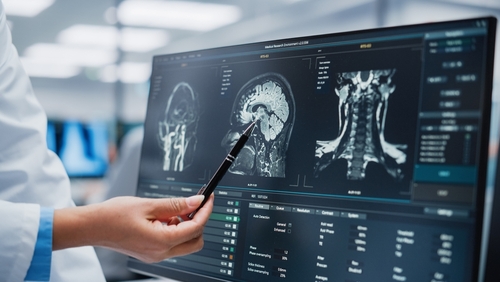
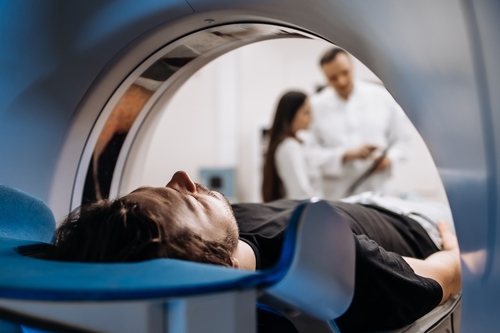
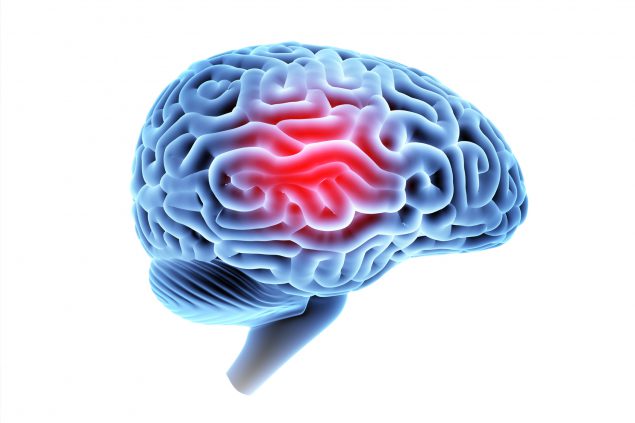
A brain injury lawyer understands that a brain injury can have a profound impact on a person’s life, yet sometimes MRIs (Magnetic Resonance Imaging) come back with normal results, even if there is a clear history of trauma or symptoms suggesting an injury. MRI scans are incredibly useful for identifying structural issues in the brain, such as bleeding, tumors, or swelling. However, they may not always detect injuries at the cellular level or changes in brain function. Some types of brain injuries, especially mild ones, can result in symptoms without leaving any visible damage that an MRI can capture.
If you have been diagnosed with a brain injury caused by another party’s negligence, we are here to help. At Shapiro, Washburn & Sharp, we represent traumatic brain injury victims on a contingency-fee basis, meaning you won’t pay any legal fees unless we win your case.
Contact us today at 833-997-1774 for a free consultation.
What Types of Brain Injuries Are Missed By Standard MRI?
Mild traumatic brain injuries (TBI), such as concussions, often don’t produce visible changes on an MRI. These injuries are typically characterized by functional changes rather than structural damage. In many cases, the brain’s structure appears normal on an MRI, but the injury may affect cognitive functions, memory, or mood.
Concussions often involve microscopic damage to brain cells or changes in brain chemistry, which aren’t detectable with standard MRI imaging. MRI technology excels in detecting large-scale, structural abnormalities, such as brain bleeds or swelling, but it has limitations when it comes to subtle brain injuries that involve more nuanced changes at the cellular level.
Why Would an MRI Not Detect a Brain Injury If Symptoms Persist?
Symptoms can persist even if an MRI appears normal. This is because an MRI primarily focuses on structural changes in the brain, such as lesions or bleeding. However, a brain injury can cause symptoms that are not related to structural damage.
For example, a person might experience cognitive difficulties, headaches, dizziness, or changes in mood, even if their brain appears structurally intact on an MRI. These symptoms could stem from functional changes in the brain’s neural networks, which MRI is not designed to capture. In some cases, a more specialized test, such as functional MRI (fMRI) or neuropsychological assessments, may be necessary to identify these types of changes.
Can Timing Affect The Detection Of Brain Injuries On An MRI?
The timing of the MRI is crucial when it comes to detecting certain brain injuries. Immediately following a traumatic event, an MRI might not show any abnormalities because some injuries take time to develop or become noticeable on imaging. For example, diffuse axonal injuries, which involve stretching or tearing of brain fibers, might not appear on an MRI right away.
In the first few hours or days after a brain injury, small-scale damage to the brain, such as microtears in the neural tissue, may not be visible. These changes could become more apparent in follow-up scans, or in certain cases, may never show up at all. As a result, MRI scans performed right after an injury may not reveal the full extent of the damage.
Could Functional Changes in the Brain Cause Symptoms Not Visible on an MRI?
Functional changes in the brain often do not show up on a standard MRI. While an MRI can detect structural damage, it cannot easily assess how the brain is functioning. For example, functional issues such as changes in how neurons communicate or altered brain metabolism may not be visible on a conventional MRI scan.
Functional MRI (fMRI) or other imaging techniques, such as positron emission tomography (PET) scans, are better suited for detecting functional changes in the brain. These types of imaging tests can capture changes in blood flow or brain activity, which could help explain why a person with a normal MRI might still have lingering symptoms from a brain injury.
How Can Your Personal Injury Law Firm Help?
If you or a loved one has suffered a brain injury due to the negligence or recklessness of another party, call Shapiro, Washburn & Sharp to schedule a free case evaluation and find out what legal recourse your family has for the losses you have sustained.
Call us today at 833-997-1774 to schedule a free consultation with a traumatic brain injury lawyer. Let us help you get the care and compensation you need. We handle cases on a contingency fee basis, so you won’t pay any legal fees unless we win your case.
A brain injury lawyer understands that a brain injury can have a profound impact on a person’s life, yet sometimes MRIs (Magnetic Resonance Imaging) come back with normal results, even if there is a clear history of trauma or symptoms suggesting an injury. MRI scans are incredibly useful for identifying structural issues in the brain,…
When a person sustains a brain injury, timely and accurate diagnosis is essential for effective treatment and recovery. One of the primary tools used by healthcare professionals to assess brain injuries is medical imaging techniques, particularly CT (computed tomography) and MRI (magnetic resonance imaging) scans. Both of these imaging modalities offer valuable insights into the…
Mild traumatic brain injury (MTBI), often referred to as a concussion, occurs when an individual experiences a blow to the head or body that causes a temporary disruption in brain function. While the symptoms of a mild TBI may be subtle and may not show up immediately, they can have lasting effects if not properly…
Attorney Kevin Sharp has been handling traumatic brain injury claims since 2002, and many clients and even more lawyers will ask him what makes these cases so complex. The fact is that these cases involve vast amounts of witness testimony, medical science, and complex arguments that need to be presented to a jury. And it’s…
One of the most common questions we receive after an accident is, “How do I know if I have a traumatic brain injury?” As seasoned brain injury lawyers, we understand the complexities of these cases and the challenges individuals face in identifying and treating brain injuries. After an accident, it’s essential to recognize the signs…