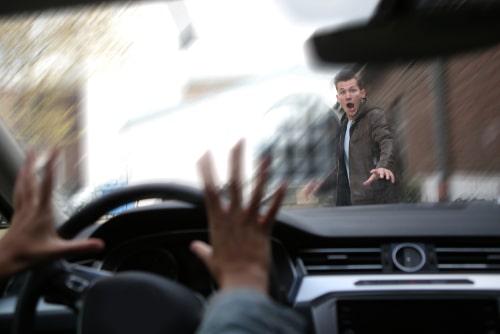
The streets and roadways in Nags Head, Currituck, Corolla, Kitty Hawk, Duck, and the rest of the Outer Banks are more crowded than ever before. With year-round tourism on the rise and seasonal visitors reaching record levels, pedestrian traffic has surged along beach roads, crosswalks, and multi-use paths. As foot traffic grows, so does the risk to pedestrians — especially in areas where vacationers walk from rental homes and hotels to restaurants, public beach access points, and shops. While the Outer Banks has always been a walkable destination, today’s heavier traffic and distracted driving trends have created a dangerous environment for anyone crossing a road.
Crosswalk and pedestrian accidents remain a significant public safety issue nationwide and are especially concerning in high-tourist regions, such as coastal North Carolina. Crosswalks are designed to provide safe and predictable crossing zones for pedestrians. They are essential components of traffic planning, helping separate walkers from vehicles in busy areas.
Yet despite their purpose, pedestrian injuries and fatalities continue to rise. According to the most recent data from the Governors Highway Safety Association (GHSA), more than 7,500 pedestrians were killed in the United States last year — the highest number in four decades. North Carolina alone recorded more than 270 pedestrian deaths and thousands of injuries. Many of these tragedies occurred in or near crosswalks where pedestrians should have been protected.
North Carolina Pedestrian Laws
Crosswalks are clearly designated areas for pedestrians, marked with signs, painted lines, and sometimes pedestrian-controlled signals. Their effectiveness depends on compliance—drivers must yield when required, and pedestrians must obey crossing signals. Unfortunately, many drivers fail to remain alert, especially during the high-traffic months on the Outer Banks. Tourists unfamiliar with local traffic flow may step into crosswalks without realizing how fast vehicles approach on NC-12 and surrounding roads.
Under NC General Statute § 20-172, pedestrians must obey pedestrian-control signals. They may cross only on “WALK” and must refrain from crossing on “DON’T WALK.” At intersections without specific pedestrian signals, pedestrians must follow the same control signals as vehicles.
Under NC General Statute § 20-173, when no traffic signals are present, drivers are legally required to yield the right-of-way to pedestrians using either a marked crosswalk or an unmarked crosswalk at or near an intersection. This statute explicitly requires drivers to slow down — or even stop — to allow pedestrians to cross safely. The law applies even to mid-block crosswalks, which are common in resort towns to provide access to the beach.
Unfortunately, many motorists—especially distracted tourists, rideshare drivers, and unfamiliar out-of-state visitors—fail to recognize or respect these laws. North Carolina has responded by installing more “Yield to Pedestrians” signs, signage in the roadway, and flashing beacons in especially high-risk crosswalks.
Although North Carolina does not prohibit pedestrians from crossing outside marked or unmarked crosswalks, pedestrians crossing mid-block without a crosswalk must yield to oncoming vehicles under NC General Statute § 20-174(a). Even so, drivers must still exercise reasonable care to avoid hitting pedestrians, regardless of where they cross the road.
Pedestrian Accidents
Pedestrian accidents in crosswalks are typically caused by distracted driving, speeding, drivers rolling through crosswalks without stopping, and impaired driving. Distraction is one of the leading contributors—drivers checking GPS directions, texting, or scanning for parking may never see the pedestrian entering the crosswalk until it’s too late. In the Outer Banks, where vacationers often cross multiple lanes of traffic to get to the beach, this danger is amplified.
Pedestrian negligence can also contribute to accidents. Tourists may suddenly cross between parked cars, step into the roadway without checking for traffic, or attempt to cross at night without wearing reflective clothing. However, even when a pedestrian behaves carelessly, North Carolina’s doctrine of contributory negligence—which bars recovery if the pedestrian is even 1 percent at fault—makes these cases legally complex and highly fact-specific. This is why immediate legal representation is crucial.
The takeaway from all of this is simple: both drivers and pedestrians must know and follow the rules of the road. A driver may feel insulated in a large vehicle, but that “steel cage” does not give them the right to disregard pedestrian safety. Speeding or rushing through a pedestrian-heavy area puts lives at risk. On the other hand, pedestrians should remain cautious and aware, especially during peak tourist seasons.
Holding a Negligent Motorist Accountable When They Collide with Pedestrians
If you or a family member was seriously hurt after getting hit by a motorist while crossing the street, take the time to schedule a free consultation with a pedestrian accident lawyer in Kitty Hawk, Nags Head, or anywhere else in North Carolina. You may be eligible to recover the following types of harms and losses:
- Medical expenses (including prescription medications, surgeries, physical therapy, etc.)
- Emotional suffering and mental anguish
- Lost income
- Any permanent impairments and future medical expenses
Contact Shapiro, Washburn & Sharp Right Away
Our team of experienced pedestrian accident attorneys in Kitty Hawk is here to help you and your family. Below are three reasons why you should contact our firm today to schedule a free, confidential case review:
- The lawyers at Shapiro, Washburn & Sharp possess decades of combined legal experience.
- The firm is recognized as a “Best Law Firm” by U.S. News & World Report (since 2010) for personal injury litigation.
- Attorneys at the firm are recognized as “AV Preeminent” Lawyers by Martindale-Hubbell.
The Outer Banks personal injury lawyers at Shapiro, Washburn & Sharp have been advocating for victims and their families for over 35 years, utilizing all available resources to achieve the best possible outcome in each case, tailored to the specific circumstances. Our attorneys have built solid reputations as skilled negotiators who will not hesitate to pursue litigation if the insurance company fails to negotiate in good faith. Contact our office today for a free case evaluation and to find out how our legal team can help get you the financial compensation you deserve.
RELATED CONTENT