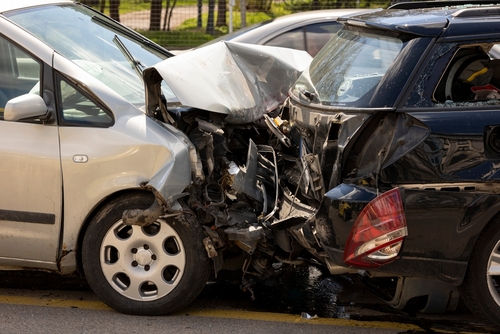
Traffic near Naval Station Norfolk can change quickly as drivers head toward the gates on Hampton Boulevard or approach Interstate 564. A sailor may be driving home or a government vehicle may be making a delivery. After a crash, you may wonder whether the driver’s military status changes your right to seek compensation.
A Norfolk car accident lawyer can sort out who was driving, whose vehicle was involved and why the driver was on the road. Those details can affect whom you contact and how much time you have to act.
Does a Crash Near Naval Station Norfolk Become a Military Claim?
Usually, the first question is where the crash happened. An accident on a public road outside the gates may involve ordinary Virginia traffic rules, even when one driver is a sailor. A uniform, military license plate or destination at the base doesn’t automatically make the federal government responsible.
The next question is what the driver was doing. Someone traveling to work in a personal car may be handled much like any other driver. If a federal employee was carrying out assigned duties, a different process may apply. A crash at a gate or on the installation still requires a look at the driver’s role.
What If the Other Driver Was Off Duty or in a Personal Car?
An off-duty service member can be personally responsible for a crash caused by careless driving. The claim may go through the driver’s auto insurance, just as it would if the driver worked for a private business. You’d still need evidence showing what happened, how the crash caused your injuries and what losses followed.
Ask for the driver’s insurance information and save any report number you receive. If coverage is disputed or too low to cover your losses, your own uninsured or underinsured motorist coverage may also need review. Military employment doesn’t tell you what insurance is available.
When Could a Federal Claim Apply?
If a service member or federal civilian employee caused the crash while acting within the scope of federal duties, the Federal Tort Claims Act may provide a route for an eligible injured person to bring a claim against the United States. A government-owned vehicle is an important clue, but ownership alone doesn’t settle whether the driver was on official business. Federal contractors raise separate questions because a contractor isn’t automatically treated as a federal employee.
The federal process starts with a written administrative claim to the proper agency. Standard Form 95 is one way to present it, although the form isn’t mandatory. The claim must give the agency enough information to investigate and state a specific dollar amount. An auto insurance claim doesn’t replace this step when the United States is the proper defendant.
You ordinarily cannot file an FTCA lawsuit until the agency denies the claim or six months pass without a final decision. Sending paperwork to the wrong place or leaving out the required dollar amount can create serious problems.
Can an Injured Service Member Bring a Claim?
Yes, military service doesn’t erase a person’s right to pursue a negligent civilian driver. A service member hurt on a Norfolk road may have an ordinary personal injury claim. A later transfer can make it harder to gather treatment records and speak with witnesses.
A claim against the United States is different. Under the Feres doctrine, service members generally cannot bring FTCA suits for injuries that arise incident to military service. Whether an injury falls within that rule depends on the circumstances. Being on base or off duty isn’t a complete answer by itself, and it doesn’t turn an unrelated claim against a private driver into a barred federal claim.
What Changes If the Crash Happens Inside the Base?
Base security or other responding authorities may document a collision on the installation. That report may be separate from a city or state police crash report. Ask the responding officer for identifying information and find out how to request a copy. If you’re a civilian visitor, write down the gate, road and exact place where the vehicles came to rest.
Access limits can make evidence harder to collect later. Take photos if you’re permitted and can do so safely. Record witnesses, vehicle markings and any cameras you noticed. A Norfolk car accident lawyer can then look into the reports and available footage. A crash behind a gate doesn’t identify the person who should pay a claim.
How Do You Show Who Caused the Collision?
Gate backups can lead to sudden stops or risky lane changes. But heavy traffic doesn’t prove negligence. You may need photos of vehicle damage, witness accounts or dashcam footage showing what each driver did before impact. A report won’t answer every disputed question.
Virginia’s contributory negligence rule can bar recovery if your own lack of reasonable care helped cause the crash. An insurer might argue that you stopped unsafely or changed lanes without enough room. That’s why the layout of the road and the movement of both vehicles deserve close attention. Medical records also help show whether the crash caused a new injury or made an earlier condition worse.
How Long Do You Have to Act?
Virginia generally gives an injured person two years to file a personal injury lawsuit. A federal claim has its own steps: you generally must present the administrative claim to the appropriate agency within two years after it accrues. If the agency sends a final written denial, the deadline to file an FTCA lawsuit is generally six months from the mailing of that denial.
Video can be lost much sooner. Get medical care and keep the crash paperwork. Tell a lawyer promptly if a military vehicle, federal worker or base road was involved so the correct claim path and deadline can be identified.
Who Can Help After a Norfolk Crash Involving Military Traffic?
Shapiro, Washburn & Sharp has handled a case involving a servicewoman who was rear-ended on an Interstate 264 ramp in stop-and-go traffic. The other driver disputed fault and pointed to her prior neck and back problems. The firm used medical review to distinguish her earlier conditions from injuries tied to the crash, then obtained a $100,000 settlement under the available liability policy. That was a claim against another driver, not a finding that the Navy caused the collision. Past results don’t guarantee a similar result.
If your crash involved someone traveling to Naval Station Norfolk or driving on the base, don’t let uncertainty about military status stop you from asking for help. A Norfolk car accident lawyer at Shapiro, Washburn & Sharp can review the driver’s role, the available insurance and any federal claim requirements. Call (833) 997-1774 or fill out the online contact form to discuss what happened. Our offices are in Norfolk, Portsmouth, Virginia Beach and Norfolk.
RELATED CONTENT