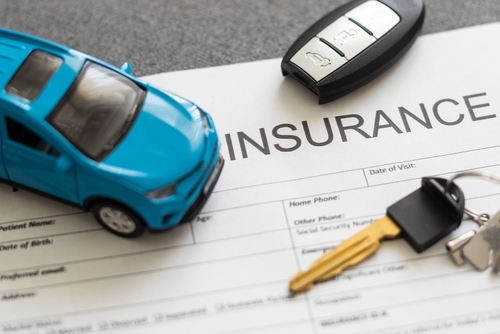
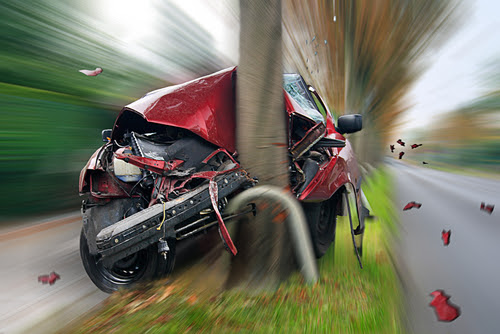
If you have been injured in a car accident, not only are you likely dealing with the pain and recovery of those injuries, but you also may be dealing with the insurance companies, both your own and the at-fault driver’s, as well as stressing about the medical bills that may be starting to pile up and loss of income from being unable to work as you recover. This is why many car accident victims turn to a Virginia Beach car accident lawyer. Your attorney can advocate for you with the insurance companies, allowing you to focus on your recovery and rehab.
At Shapiro, Washburn & Sharp, we regularly represent injured drivers and passengers throughout Virginia Beach and Hampton Roads who are overwhelmed not just by their injuries, but by aggressive insurance tactics designed to reduce or deny compensation.
Car accidents are unfortunately common. According to the Virginia Department of Motor Vehicles, there are more than 120,000 motor vehicle crashes reported statewide each year, resulting in tens of thousands of injuries and hundreds of fatalities. In the Hampton Roads region alone, thousands of people are injured annually in collisions involving distracted drivers, speeding, failure to yield, and drunk driving. Many victims underestimate how quickly insurance companies begin working to protect their bottom line.
Why Insurance Companies Move Quickly After a Crash
After a car accident, you may receive a phone call from an insurance adjuster within days, sometimes even hours. The adjuster may sound friendly and concerned. They may tell you they simply need a few forms signed to move the claim forward. What many injured victims do not realize is that insurance companies are businesses focused on minimizing payouts.
Their goal is to resolve your claim quickly and cheaply. They know that when someone is facing medical bills and missing paychecks, a quick settlement offer can feel tempting. However, accepting an early offer or signing documents too soon can permanently limit your ability to recover full compensation.
This is why having a Virginia Beach car accident lawyer advocate for you is so important. Your attorney handles communications with the insurance companies, protects your rights, and ensures you are not pressured into decisions that harm your case.
Common Insurance Forms You Should Not Sign Without Legal Advice
One tactic insurers frequently use is convincing injured victims that certain forms must be signed immediately. Under no circumstances should you sign documents related to your injury claim without first consulting your personal injury attorney.
Medical Authorization Release Form
Insurance companies often request that you sign a broad medical authorization form, claiming they need access to your records to evaluate your injuries. While it is true that documenting your injuries is necessary, these forms are often drafted far more broadly than necessary.
By signing a blanket authorization, you may be giving the insurance company access to your entire medical history. Adjusters will comb through years of records looking for any prior injury, complaint, or preexisting condition they can use to argue that your current pain was not caused by the crash.
For example, if you previously experienced mild back discomfort years before the accident, they may attempt to blame your herniated disc on that earlier issue rather than the collision. A Virginia Beach car accident lawyer will gather the relevant medical records needed to prove causation while protecting your privacy and preventing fishing expeditions into unrelated medical history.
Release of Liability Form
Before issuing a settlement check, the insurance company will require you to sign a release of liability form. This document states that once you accept the settlement, you waive your right to pursue any additional compensation related to the accident.
This is critical because many injuries worsen over time. Soft tissue injuries, concussions, and spinal conditions can take weeks or months to fully manifest. If you sign a release before understanding the full extent of your injuries, you cannot reopen the claim later.
Insurance companies rely on the fact that many victims are unaware of this consequence. A Virginia Beach car accident lawyer will ensure that you do not settle your case until your medical condition is stable and your future damages are properly evaluated.
Property Damage Release Form
In addition to injury claims, you may be asked to sign a property damage release form to receive payment for vehicle repairs or replacement. While resolving property damage may seem separate from your injury claim, you must be cautious.
Once you sign a property damage release, that portion of the claim is closed. Your attorney should review any repair estimates, total loss valuations, or diminished value claims before you accept payment. In some cases, insurers undervalue vehicles or fail to account for loss of resale value.
Virginia’s Contributory Negligence Rule Makes Legal Representation Essential
Virginia follows one of the strictest negligence standards in the country. Under Virginia’s contributory negligence law, if you are found even one percent at fault for the accident, you may be barred from recovering compensation. Insurance companies know this and often attempt to shift blame onto injured victims.
An adjuster may suggest you were speeding, distracted, or failed to react properly. Without legal representation, these allegations can significantly harm your claim. A Virginia Beach car accident lawyer will investigate the crash, gather witness statements, obtain traffic camera footage, review police reports, and work with accident reconstruction experts when necessary to protect you from unfair blame.
What Damages Can You Recover After a Virginia Beach Car Accident?
If another driver’s negligence caused your injuries, you may be entitled to compensation for medical expenses, lost wages, loss of earning capacity, property damage, pain and suffering, emotional distress, and other related losses.
Medical bills alone can be overwhelming. According to national healthcare cost data, emergency room visits can cost thousands of dollars, and surgeries or extended treatment can result in tens of thousands in expenses. Add to that missed paychecks and ongoing therapy, and the financial impact can quickly escalate.
A skilled attorney evaluates both current and future damages to ensure you are not left paying out of pocket for someone else’s negligence.
Contact Our Personal Injury Law Firm
At Shapiro, Washburn & Sharp, we are dedicated to helping injured clients obtain the compensation they deserve for their medical bills, lost income, and other losses their injuries have caused, like the $50,000 personal injury insurance settlement we obtained for one client who suffered chronic shoulder and neck pain when another driver pulled out in front of his vehicle. Call our office today to schedule a free and confidential case evaluation.
Our Virginia Beach car accident lawyers are ready to review your case, explain your legal options, and fight for the compensation you deserve. We handle cases on a contingency-fee basis, meaning you pay no legal fees unless we recover for you. Contact Shapiro, Washburn & Sharp today to schedule a free and confidential case evaluation with a Virginia Beach car accident lawyer.
RELATED CONTENT