The controversy continues over engine mounted video and audio systems: safety or disciplinary or both?
The system used by Norfolk Southern and many railroads is called Railview and distributed by SAIC. The video camera is mounted above the engine cab window and points forward, and the hard drive computer unit is mounted in the cab with a locking device. Statistics show that about 50% of all railroad crossing accidents (about 3,000 per year) happen where there are no active warnings (no electronic lights or gates). I have heard gripes for a number of years from engineers and conductors who continue to question the railroad’s use of video cameras in road engines.
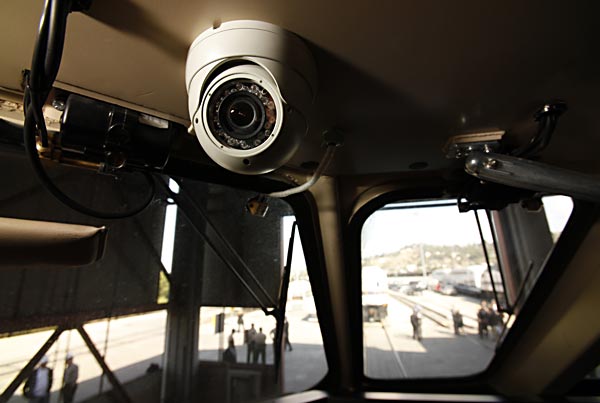 While railroad management claims that the video cameras are mainly to protect the company and engineers if there is a railroad crossing crash, our law firm has learned of various cases where the railroads have used the video cameras or the audio as disciplinary tool against a worker, but the first case I heard about involved NS’s claim that the worker had disabled the unit itself.
The railroad used the video camera and audio system to prove that a Norfolk Southern worker had vandalized or tampered with the video camera. They did this by showing that the camera stopped functioning during the actual shift that a worker was on and then they offered the evidence at the disciplinary hearing, as the unit logs if it is disabled and the company simply tracks the time and the crew on the engine.
The other controversy about the cameras is their use to support a disciplinary or rule violation against an engineer or conductor in case of a collision or accident. This is one reason that BLET and many engineers had grave concerns over the installation of these cameras in engines.
Yes, NS and other railroads are using the video cameras to show that the motorist is at fault in obvious crossing crashes, like where the driver goes around gates. This evidence can help the engineer and conductor is such cases.
I have been very active in addressing railroad crossing safety, and in one of my previous articles I wrote extensively about the fact that in previous years the railroads promoted the simple and cheap erection of stop signs at virtually every railroad crossing to make crossings safer. It seemed like a great idea-and cheap! In order to support the argument that stop signs at crossings made them safer, one of the major class one railroads agreed to provide information and help sponsor a formal study of this issue.
When five states crossing accident information was gathered, the alarming statistic clearly showed that erecting stop signs at a typical railroad crossing did not make them more safe for the crew or the motorists, but in actuality made the crossing more dangerous! If you have not heard about this major published study, please read the original article that I wrote–I personally interviewed the author of the study who confided in me that the railroads essentially pulled all sponsorship and affiliation with the study as soon as the surprising results were known and published in a major transportation journal. However soon after the study was released the railroad lobbyists stopped pushing for the stop sign fix at railroad crossings.
In my interview with the author of the study I asked him why he thought the stop signs caused more collisions, not less. He really did not have a concrete answer but we suspect that by having every vehicle stop at rural crossings, that the actual number of seconds that vehicles were positioned on the crossing at slow speeds increased statistically, and because of this increased time on track, that more collisions occurred during the course of a typical day, week or month.
My view is that this information clearly means that electronically lighted or gated railroad crossings–called “active warnings” of the train’s approach–are the gold standard for preventing railroad crossing accidents and deaths. In the future, I believe that positive train control and GPS technology should link any train approach with any dangerous crossing so that at the minimum, active warning lights will illuminate at any crossing well in advance of the approach of the locomotive engine and the train. Lighted crossings offer a real and active warning to a motorist, unlike a static stop sign or cross buck. When a motorist ignores a properly lighting active warning light, the motorist usually has no excuse for causing a collision at a railroad crossing.