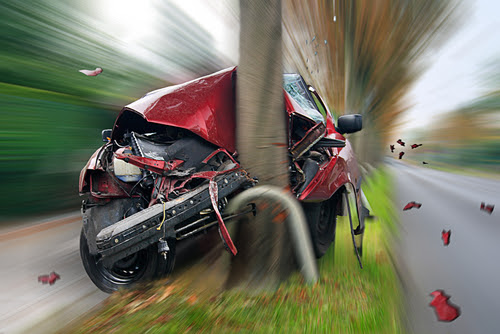
If you’ve been injured because of someone else’s negligence—whether that’s in a car crash, from a slip and fall, or another incident—you could be dealing with pain, medical bills, time off work, and perhaps even a long-term recovery involving physical therapy.
You want to hold the negligent party responsible for your damages, but you’ve heard terms like “burden of proof” and “standard of evidence” thrown around, and you’re concerned about whether you have the evidence you need to be successful in a personal injury claim.
In civil cases, the legal standard known as “preponderance of the evidence” becomes important. Unlike dramatic courtroom scenes from television crime dramas where prosecutors must prove guilt “beyond a reasonable doubt,” personal injury cases operate under a different standard. Fortunately, it’s one that may work in your favor as an injured victim looking for justice and compensation.
At Shapiro, Washburn & Sharp, we have decades of experience helping injured people meet this standard and know how to walk you through the process so you have what you need. Our attorneys have earned the AV Preeminent® peer rating from Martindale-Hubbell and recognition in The Best Lawyers® since 2010.
Below, we talk about what “preponderance of the evidence” means, how it differs from the criminal law standard, how it applies in personal injury cases, and what happens if you don’t meet it. If you or a loved one has been injured and you have questions, contact us at 757-321-3983 for a free consultation with our Virginia Beach personal injury lawyers.
What Is the Burden of Proof?
In personal injury law, the plaintiff (the injured person) has to prove that someone else’s negligence caused their injury. The appropriate threshold level of proof necessary for doing so is referred to as the “burden of proof.” In other words, it is how much proof you need to have to win your case.
In most situations, the “preponderance of the evidence” standard is the burden of proof required for a plaintiff to carry the day in a personal injury case. To meet this standard, you must show that it’s more likely than not that the defendant’s negligence caused your injuries. If you can’t meet this standard, the defendant is not liable, and you won’t be able to recover your damages.
What Is “Preponderance of Evidence?”
The term “preponderance of evidence” means just what it sounds like: your evidence has to be preponderant, or outweigh, the other side’s evidence. That means that you have to prove that it is more likely than not (simply greater than a 50 percent chance) that the defendant’s negligence caused your injuries.
Though significant, this standard is lower than the one in criminal law that you’ve probably heard about, which is referred to as “beyond a reasonable doubt.” In criminal cases, you’re dealing with someone’s life and their potential loss of liberty, so the law requires a higher level of certainty in that person’s guilt. It’s the highest level of certainty to protect individuals from wrongful criminal convictions.
Civil cases, on the other hand, typically do not deal with someone’s freedom. They deal in compensation—funds paid to the injured victim to help them recover their quality of life as much as possible. Therefore, the standard is a little lower, and to win, you need only have the preponderance of the evidence.
How Does This Apply to a Personal Injury Case?
Let’s say you were injured in a car accident. You believe the other driver ran a red light and crashed into your vehicle, causing you to suffer significant injuries. To win your civil claim, you and your attorney have to compile evidence that shows it’s more likely than not that the other driver was at fault and that your injuries resulted from that crash.
The at-fault driver may try to challenge your version of events. They may say you were distracted at the time, such that you were partially to blame. If they do that, then they must prove their version of events by the preponderance of the evidence. If you can tip the balance in your favor, though, you will meet the preponderance standard and win your case.
In essence, your job is to show that your side of the scale is just a little heavier than the other side’s. Their job is to introduce doubt that they were at fault, minimize their fault, say you were partially at fault, or show that your injuries are unrelated to the accident.
What Types of Evidence Help Meet This Standard?
To tip the scales in your favor, your personal injury attorney will help you gather and present various types of evidence. These may include the following.
Witness Testimony
Eyewitnesses who observed your accident or its aftermath can provide crucial testimony supporting your claims.
Medical Records
These are essential in proving the extent of your injuries. They show the treatments you received, your diagnosis, how severe your injuries were, and any long-term effects. Medical experts may also testify about the cause and extent of your injuries, linking them directly to the defendant’s actions.
Physical Evidence
Evidence from the accident scene, including photos, video footage, damaged property, documentation of your injuries, and more, can significantly strengthen your case.
Expert Testimony
Specialists, such as medical professionals and safety experts, can provide testimony that clarifies complex issues or establishes that the at-fault party caused the accident that led to the injury.
Documents and Records
Police reports, insurance claims, employment records showing lost wages, and company maintenance logs can demonstrate liability and the extent of your damages.
The stronger and more compelling your evidence, the easier it is to meet the preponderance of evidence standard and secure a favorable outcome.
What Happens if the Standard Isn’t Met?
If you aren’t able to meet the preponderance of evidence standard in your personal injury case, it means that you did not satisfy your burden of proof and you won’t be able to obtain the compensation you seek. It’s important to understand that in civil cases, the judge or jury only needs to determine that the other party’s version of events is more credible than yours for you to lose your opportunity to be paid for your damages.
There could be several reasons for failing to meet the standard: insufficient documentation, weak medical records, lack of credible witness testimony, or the defendant’s compelling evidence creating serious doubt. Even a small gap in proof or a strong argument from the other side can make the difference between you being able to tip the scales in your favor or not.
For example, in a slip-and-fall case, you may allege that the property owner was negligent in maintaining the premises, but the owner convincingly shows that they regularly inspected and cleaned the area and that you were distracted by your phone when you fell. In that scenario, they may tip the preponderance of evidence in their favor rather than yours.
How A Personal Injury Lawyer Can Help
If you’ve been hurt because of someone else’s negligence, contact our offices right away. Realize that you’re probably going up against opponents who have teams of lawyers and the insurance company’s resources working in their favor. Representation with experienced counsel at Shapiro, Washburn & Sharp levels the playing field, ensuring your evidence is sufficient to tip the preponderance your way.
In a recent case, for example, we represented a client who was hit by an SUV while retrieving her mail at the mailbox. We helped her gather the evidence she needed to prove her case and secured a $2.3 million settlement.
We have several offices to serve you, including those in Virginia Beach, Portsmouth, Suffolk, Hampton, Norfolk, Chesapeake, and Kitty Hawk, North Carolina.
RELATED CONTENT