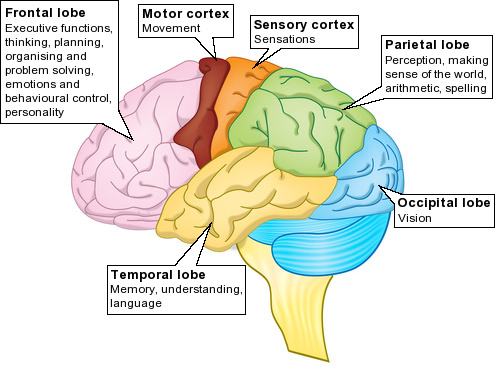
 A traumatic brain injury, or TBI, occurs when sudden trauma causes damage to the brain. The injury can either be open, when an object pierces the skull and enters the brain, or closed, when the head strikes a hard object, but the skull is not broken. A TBI can result from the brain’s making direct contact with a piercing object, banging against the skull or bruising and swelling that follows the initial trauma. Each year, 1.7 million people in the United States sustain a TBI. Blows to the head and skull factures are involved in one-third of all injury-related deaths in this country.
TBI symptoms vary depending on the nature and location of the head injury, but they can include unequal or abnormal-sized pupils; severe headaches; fluid draining from the ears, mouth or nose; irritability; confusion; drowsiness; loss or changes in the senses of touch, hearing, taste, vision and smell; slowed breathing; memory loss; restlessness; lack of coordination; seizures; problems speaking, such slurring or difficulty finding words; neck stiffness; vomiting; lightheadedness and dizziness; weak or numb arms, hands, legs and feet; and loss of consciousness.
The medical treatment for a TBI focuses on preventing further damage to the tissues and nerves of the brain, as little can be done to repair or restore brain structures and mental or central nervous system functions once they are impaired by or lost to an injury. Initially, medical providers will provide adequate oxygen and blood flow to the brain and control blood pressure. Diagnosing the extent of the injury is done using X-rays and CT (computed tomography) scans. In moderate to severe cases, a person with a TBI may require extensive rehabilitation therapy to help him or her relearn and improve physical tasks such as walking, handling objects and speaking and reading. TBI patients may also need psychological counseling and psychiatric treatment to deal with the mental trauma caused by their physical injury and new limitations.
Permanent problems for persons with TBIs vary greatly, depending on the extent of the injury. Common problems include trouble with thinking, memory and reasoning; altered sensations or trouble with sight, taste, smell, touch and hearing; difficulty expressing thoughts; difficulty understanding what others are saying or communicating through gestures and facial expressions; and mental and behavioral problems such as depression, anxiety, aggression and acting inappropriately in social situations. More serious head and brain injuries can leave patients in comas, unconscious and unresponsive, for a short or extended period. The worst form of TBI puts a person in a persistent vegetative state during which the individual remains unaware of his or her surroundings but still has a sleep-wake cycle and periods of alertness.
BE