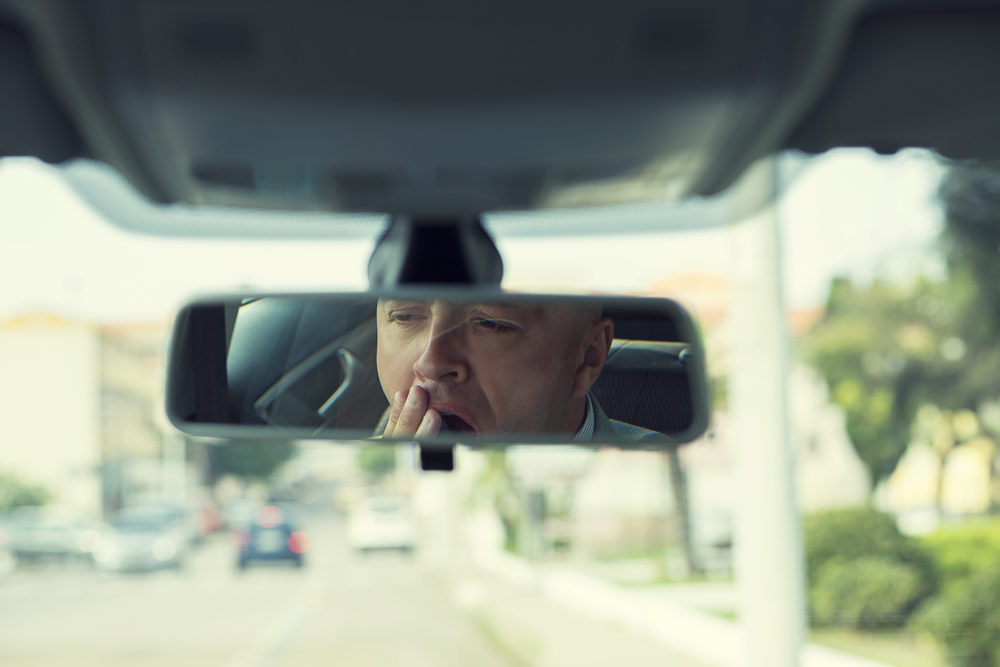
A recent study conducted by the American Automobile Association Foundation for Traffic Safety indicates that roughly 10 percent of all car accidents are caused by drowsy drivers. Statistics previously provided by the United States government attributed just 2 percent of car accidents to drowsy driving. Drowsy driving is responsible for approximately 109,000 injuries and about 6,400 fatalities each year.
If you were injured in a car accident caused by a drowsy driver, reach out to the experienced Virginia Beach car accident attorneys at Shapiro, Washburn & Sharp to schedule a free consultation.
What Are the Dangers of Drowsy Driving?
Accidents caused by fatigued drivers often result in devastating injuries that force victims to endure costly and painful medical treatments, leave them unable to work and earn a living while they recover, and cope with a significant amount of mental anguish. Drowsy driving is a serious safety issue that is heavily underreported since it is hard to detect, and drivers involved in collisions rarely admit to nodding off behind the wheel.
The previously mentioned AAA study analyzed dashboard camera footage from over 700 motor vehicle accidents. They acquired this footage from another study funded by the federal government, which involved the constant monitoring of 3,593 motorists over several months. By tracking how frequently drivers blinked in the minutes leading up to their accidents, researchers could determine whether drivers were fatigued at the time their collisions occurred.
By analyzing this information, researchers concluded that fatigue was a contributing factor in nearly 9.5 percent of all car crashes and 10.8 percent of crashes resulting in injury, airbag deployment, or serious property damage. These totals are almost eight times greater than earlier federal estimates.
Fatigued driving significantly increases the likelihood of an injury-causing or fatal accident occurring. Drivers who get fewer than seven hours of sleep are at a significantly greater risk of causing a serious accident. In fact, getting behind the wheel while sleep-deprived is comparable to driving while under the influence.
Unsurprisingly, the issue of fatigued driving becomes a much greater problem at night. Three times as many drowsy driving accidents occur at night as during the day.
Factors Contributing to Drowsy Driving
Several factors contribute to drowsy driving, including:
- Sleep deprivation: Individuals who sleep less than six hours a night are at a significantly higher risk of drowsy driving incidents.
- Time of day: Accidents involving drowsy drivers are more likely to occur during nighttime hours, particularly between midnight and 6 a.m.
- Shift work: People working irregular hours or night shifts are more prone to fatigue-related accidents due to disrupted sleep patterns.
- Medications: Certain medications can cause drowsiness, increasing the risk of accidents if drivers are unaware of their side effects.
What Can I Do to Prevent Drowsy Driving?
Recognizing the symptoms of fatigue can help drivers identify the issue and take steps to prevent accidents. Common signs of fatigue include:
- Veering in and out of your lane
- Trouble keeping your head up and/or your eyes open
- Difficulty remembering where you are going or how to get there
- Difficulty concentrating
- Frequent yawning
- Blurred vision
- Missing turns, exits, and traffic signals or signs
- Driving over rumble strips
You can avoid fatigued driving by:
- Get at least 7 hours of sleep if you have to drive the next day
- Try to limit driving to the hours when you are usually awake
- Do not get behind the wheel after taking any medicines that cause impairment or drowsiness, or after consuming alcohol
- Pull over and rest every 100 miles or two hours, or have a passenger with whom you can share driving duties on long trips
- If you begin to experience symptoms of drowsiness, pull over somewhere safe and rest
Damages Victims Can Recover From a Drowsy Driving Accident
Unfortunately, many people injured in accidents caused by fatigued drivers end up with serious injuries. Victims often face medical bills, lost income, emotional trauma, and long-term rehabilitation. They may be entitled to recover several types of damages, depending on the severity of the accident and the specific circumstances.
Medical Expenses
One of the most immediate and significant damages in a drowsy driving accident is medical expenses. Victims can recover costs for emergency care, hospital stays, surgeries, prescription medications, and ongoing treatments such as physical therapy or rehabilitation. If injuries are severe or permanent, compensation may also cover future medical care, medical devices, and long-term therapy. Proper documentation of all medical treatment is crucial to ensure these expenses are fully compensated.
Lost Wages and Loss of Earning Capacity
Accidents caused by drowsy driving often result in time away from work. Victims can recover lost wages for the period they were unable to perform their job duties. In cases where injuries affect a victim’s long-term earning potential, they may also claim loss of earning capacity, which accounts for the diminished future income that results. Self-employed individuals or business owners can seek compensation for lost business opportunities and revenue during the recovery period.
Pain and Suffering
Beyond financial losses, victims may experience pain and suffering, which encompasses both physical and emotional hardships. This can include ongoing pain, emotional distress, anxiety, depression, or the loss of enjoyment of everyday activities. Courts and insurance companies recognize that the impact of an accident extends beyond medical bills, and victims may recover damages for the disruption to their quality of life.
Punitive Damages
While most personal injury claims focus on compensatory damages, some drowsy driving cases may qualify for punitive damages. These are awarded when the driver’s conduct is particularly reckless—for example, if they knowingly drove without sleep or under the influence of sedating medications. Punitive damages are designed to punish the driver and deter similar behavior in the future.
Other Recoverable Expenses
Additional damages may include costs for transportation to medical appointments, home modifications to accommodate disabilities, childcare services during recovery, or other unforeseen expenses caused by the accident. Comprehensive legal representation ensures all these losses are considered when calculating your claim.
Were You Injured by a Drowsy Driver?
If a drowsy driver caused your accident and injuries, the skilled Virginia Beach car accident attorneys at Shapiro, Washburn & Sharp are here to help. We have the experience and resources necessary to thoroughly investigate your accident, collect evidence, negotiate with the insurance company, and protect your best interests during settlement negotiations. Our decades of experience practicing personal injury law made it possible for us to achieve a $100,000 settlement for a client who was severely injured when he was struck by a negligent driver. To consult with a lawyer about your potential case, schedule a free consultation by calling (833) 997-1774 or filling out the contact form on our website. Our offices are in Virginia Beach, Hampton, Norfolk, and Portsmouth.