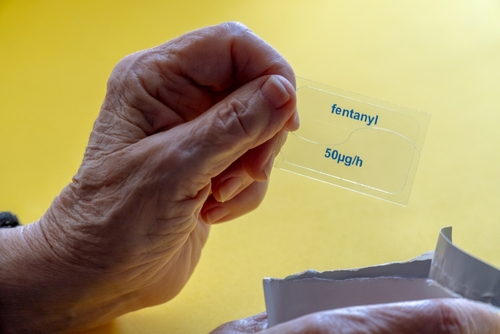
Fentanyl transdermal patches are used to treat severe pain, including acute pain following surgery and chronic pain that requires long-term management. Previously sold under the brand name Duragesic, these patches have since transitioned to generic versions after the manufacturer discontinued the brand in 2020.
When first introduced, these patches were used for terminal cancer patients and patients who had chronic pain that was not relieved by any other available product. Then ,over a period of several years, the manufacturers of these patches promoted them for many additional uses well beyond cancer patients.
Because fentanyl is about 100 times more potent than morphine, it carries a high risk of harm, particularly if it’s misused, mishandled, or delivered incorrectly. According to the Centers for Disease Control and Prevention (CDC), synthetic opioids, primarily fentanyl, are the primary driver of overdose deaths in the U.S.
The risks aren’t limited to the drug itself. Design flaws and packaging defects have, in some cases, caused patches to release too much medication at once, putting a patient’s health at risk. The U.S. Food and Drug Administration (FDA) has also reported cases of accidental overdoses in children who mistakenly applied the patches.
For individuals who have experienced harm from a fentanyl patch—whether due to a defect or accidental exposure—the question becomes: Where can you turn for help?
At Shapiro, Washburn, & Sharp, we specialize in cases involving dangerous drugs and can help determine if negligence or product defects contributed to any harm you or a loved one may have suffered. However, such cases must be distinguished from any death due to misuse of fentanyl or from illicit use.
Call our Virginia Beach dangerous drug lawyers at 833-997-1774 for a free consultation if a loved one died from an accidental overdose or from a leak through a fentanyl patch that was properly prescribed.
How Is Fentanyl Used for Patients?
Fentanyl was first synthesized in 1959 by Belgian chemist Dr. Paul Janssen of Janssen Pharmaceutica. It was introduced into clinical practice in the 1960s as an intravenous anesthetic and later became widely used in surgical settings for pain management.
In the 1990s, pharmaceutical companies developed transdermal fentanyl patches, such as Duragesic, expanding the use of fentanyl. These patches deliver the drug through the skin into the bloodstream, offering a convenient option for patients needing long-term therapy—but also introducing new safety risks.
Today, fentanyl is used as a sedative and to treat severe pain in some patients, though there are stricter regulations to prevent misuse and accidental overdose.
What Are the Potential Dangers of Fentanyl Patches?
Despite their benefits for some patients, fentanyl patches can be hazardous, especially if a patient is not thinking clearly and applies a second fentanyl patch prior to the time when that next patch is due for use. Another danger of these patches is that a small leak that is unintended could leak excess narcotic into the patient’s body.
Overdose from Improper Use
Patches are designed to deliver fentanyl continuously over 72 hours. The medication can make some patients dizzy and disoriented, however, which may lead to them applying another patch before they need to. Doubling up can cause dangerous spikes in blood levels of the drug, potentially leading to respiratory depression and death.
Heat Exposure
External heat sources, such as heating pads, electric blankets, saunas, or even high fevers, can increase how much fentanyl is absorbed through the skin. Heat dilates blood vessels and accelerates the diffusion of the drug, potentially causing the patient to have higher-than-intended doses in the bloodstream. The FDA has issued warnings about this risk, advising patients to avoid exposing the patch site to heat of any kind.
Accidental Exposure
Children, pets, or other individuals may come into contact with used or improperly stored patches and experience serious or even fatal reactions. Even after 72 hours of use, a patch can still have about 50 percent of its original fentanyl dose, making discarded patches dangerous. According to the FDA, “Children can overdose on new and used fentanyl patches by putting them in their mouth or sticking the patches on their skin.”
Have There Been Manufacturing Defects in Fentanyl Patches?
There have been instances where the fentanyl patches were defective because of manufacturing errors. Some of these have led to overdoses and product recalls.
Leaking Patches
Defective patches can leak fentanyl gel, resulting in uncontrolled drug release and potential overdose.
As recently as January 31, 2025, for example, Alvogen, Inc. recalled one lot of fentanyl transdermal patches because of a potential for the patches to be multi-stacked, adhered on top of one another, or in a single product pouch. The application of such a stack could result in “serious, life-threatening, or fatal respiratory depression,” according to the recall announcement.
Prior to that, other companies like PriCara, an affiliate of Johnson & Johnson, and Watson Pharmaceuticals recalled their patches as well due to small cuts or other problems in the gel reservoirs that could lead to leakage, accidental exposure, and overdose.
These defects and others have led to numerous lawsuits against the manufacturers, with plaintiffs alleging negligence and failures to warn or ensure product safety.
What’s Been Done About Faulty Fentanyl Patches?
Regulatory agencies and healthcare providers have done quite a bit to help increase awareness around the dangers of fentanyl, helping to reduce the number of pain patch overdoses. The FDA has issued multiple safety communications emphasizing proper usage, storage, and disposal of the patches. The administration also requires manufacturers to include boxed warnings—the strongest type of alert—on packaging and prescribing information to help alert patients to the dangers.
Healthcare providers must now undergo additional training, as well, before prescribing drugs like fentanyl. Pharmacies must comply with strict dispensing guidelines, and manufacturers have been compelled—partly because of jury verdicts favoring injured and killed patients—to improve the design and formulation of their patches.
Together, these measures have helped to make fentanyl patches safer without removing this powerful pain relief option from patients who really need it. The possibility of serious injury and death is still present, however, and Shapiro, Washburn, and Sharp stand by to hold companies accountable for any negligence discovered in the future.
How Can a Dangerous Drug Attorney Help?
If you or a loved one has suffered due to a fentanyl pain patch overdose in a situation where the patch was prescribed by a doctor and there seems to be some unusual circumstance, contact us at Shapiro, Washburn, & Sharp. With decades of experience handling complex pharmaceutical and product liability cases, we understand the devastating consequences that can result from faulty products or from a prescription for a fentanyl patch that should never have been prescribed.
We will offer compassionate and personalized support to you and your family, as we did for this client who died after undergoing a medical procedure. We represented that client’s family in a lawsuit that resulted in a $1.3 million settlement.
You can find us in Virginia Beach, Norfolk, Suffolk, Hampton, and Portsmouth.
RELATED CONTENT
- Fentanyl Accidental Overdose Deaths Occur Far Too Often
- Pursuing a Fentanyl Patch Wrongful Death Lawsuit
- Accidental Fentanyl Overdose Results in Another Wrongful Death