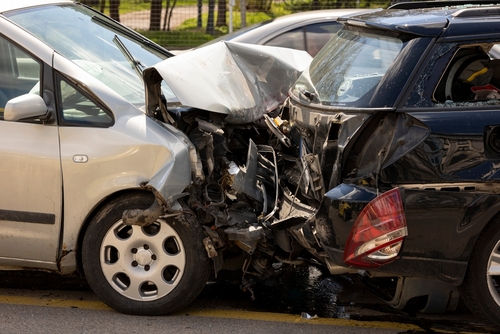
Passengers typically have little to no control over a crash, but the insurance claims that follow can become confusing. When both drivers may have caused the collision, a Virginia Beach car accident lawyer can investigate each driver’s conduct and identify every policy that may cover the passenger’s injuries.
Can an Injured Passenger File Claims Against Both Drivers?
Yes. A passenger can usually bring a claim against either or both drivers whose negligence helped cause the crash. That may include the driver of the car the passenger occupied. It may also include the driver of the other vehicle.
For example, one driver may enter an intersection without yielding while the other driver is speeding. A driver may make an unsafe lane change while the other is following too closely. When both mistakes help cause the same crash, both drivers may be legally responsible for the passenger’s injuries.
The passenger does not have to choose one driver before all the facts are known. Claims can be opened with both liability insurance companies while the evidence is reviewed. This can protect the passenger if the insurers point fingers at each other.
How Is Fault Decided When the Drivers Blame Each Other?
Insurance companies may review the police report and photographs from the scene. They may also examine witness accounts or video from nearby cameras. Vehicle damage can help show where the impact occurred and how the cars moved.
Statements from the drivers are only part of the picture. One driver may insist that the other caused everything. The second driver may say the same thing. An attorney can compare those statements with physical evidence and any electronic data that is available.
Sometimes the evidence shows that one driver was fully responsible. In other cases, both drivers made errors that combined to cause the collision. A lawsuit may name both drivers so a judge or jury can decide whether each driver’s negligence caused the passenger’s injuries.
Does Virginia Divide Fault by Percentages?
Virginia does not use comparative negligence for ordinary car accident claims. It follows a contributory negligence rule. An injured person whose own negligence helped cause the crash may be barred from recovering compensation.
This harsh rule often creates serious problems for injured drivers. It is less likely to block a passenger’s claim because a passenger usually does not control either vehicle. An insurer may still claim that a passenger grabbed the steering wheel or blocked the driver’s view. A separate defense called assumption of risk may arise when a passenger fully understands a specific danger and freely accepts it.
Simply being related to the driver or accepting a ride is not the same as causing the crash. The facts must support any claim that the passenger’s conduct contributed to the injury. A Virginia Beach car accident lawyer can respond when an insurer tries to stretch the contributory negligence rule beyond the evidence.
Can One Driver Be Required to Cover the Full Loss?
When two drivers’ negligence combines to cause one indivisible injury, Virginia’s joint and several liability rules may allow the passenger to seek full compensation from either liable driver. This does not let the passenger collect twice for the same loss. It helps protect the injured person when one driver has little insurance or cannot pay a judgment.
The insurance companies may argue about how much each should contribute. That dispute should not erase the passenger’s right to seek payment for the full harm caused by the crash. The drivers or their insurers may later address how the cost should be divided.
A settlement with one driver can affect the claim against the other. Virginia law generally provides that a good-faith release of one liable person does not automatically release everyone else. However, a later recovery will be reduced by the greater of the amount paid or the amount stated in the release. The wording of a release should be reviewed before it is signed.
Which Insurance Policies May Pay the Passenger?
The first sources are usually the bodily injury liability policies covering the negligent drivers. If both drivers caused the crash, claims may be made under both policies.
The policy covering the car in which the passenger was riding may also include medical payments coverage. This optional coverage can pay covered medical costs without requiring proof that the insured driver caused the crash.
Uninsured or underinsured motorist coverage may become important when a liable driver has no insurance or too little coverage. Virginia law treats a guest in the covered vehicle as an insured person for this coverage. Depending on the passenger’s household and the available policies, more than one source may need to be reviewed.
Finding coverage is only one step. Each insurer may dispute fault or the link between the crash and the medical treatment. The passenger may need medical records and proof of lost income. Evidence showing how the injuries changed daily life can also support the claim.
What Compensation May an Injured Passenger Seek?
A passenger may seek compensation for reasonable medical expenses and income lost because of the injuries. The claim may also include physical pain and emotional suffering. Serious injuries may require compensation for future care or reduced earning ability.
The value depends on the actual harm, not the passenger’s role in the car. A passenger with a spinal injury or broken bones may face the same long recovery as a driver. The claim should account for the full effect of the injuries before any final release is signed.
Virginia generally gives an injured person two years to file a personal injury lawsuit. Insurance talks do not necessarily stop that deadline. Waiting can also make video or witness evidence harder to obtain.
How Has Shapiro, Washburn & Sharp Helped an Injured Passenger?
When two drivers and multiple insurers are involved, an injured passenger should not have to sort through the competing claims alone. In one case, Shapiro, Washburn & Sharp represented a passenger who was hurt in a rear-end collision and needed several surgeries, including neck fusion surgery. The legal team identified three available insurance policies and obtained settlements totaling $300,000. The result shows why a careful coverage review can be as important as proving who caused the crash.
Contact Shapiro, Washburn & Sharp to speak with a Virginia Beach car accident lawyer about who may be responsible and which policies may provide compensation. Call (833) 997-1774 or fill out the contact form on our website to schedule a free consultation.
RELATED CONTENT
- Can I Sue if I Was in a Car Accident?
- If I’m a Passenger in a Car Accident, Can I Sue for Damages?
- Car Accident Guide