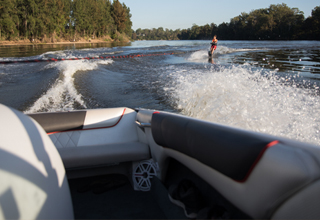
A day on the water can change quickly when the wrong person takes the controls. Although they feel casual, especially on an inland lake or river, boats can cause serious injuries. If a boat owner lets an inexperienced or impaired person drive, and a passenger gets hurt, the injured person may need a Virginia Beach boat accident lawyer to determine who may be responsible.
Why Does It Matter Who Was at the Helm?
The person operating a boat must use reasonable care. That means keeping a proper lookout, using a safe speed, and paying attention to nearby people on the water. A careless operator can injure passengers by hitting another vessel or running into a dock. A sharp turn or a fast pass over a wake can also throw a passenger across the boat.
Virginia law also treats unsafe boating seriously. A person cannot operate a motorboat or vessel in a reckless way that endangers life, limb, or property. Virginia law also prohibits operating certain boats while under the influence of alcohol or drugs. Those rules can help show what safe boating should have looked like.
Still, the operator is not always the only person in the claim. If the boat owner chose to let that person drive, the owner’s conduct may also matter.
Can A Boat Owner Be Liable For Another Driver?
Yes, but the owner is not automatically liable just because they own the boat. The main question is whether the owner acted carelessly by giving control to someone who should not have been trusted with it.
This is often called negligent entrustment. In plain language, it means an owner gave another person control of something dangerous when the owner knew or should have known that person was not fit to use it safely. A boat is powerful enough to cause severe harm. The owner should think carefully before letting another person take the wheel.
For example, an owner may have a problem if they let a friend drive after watching that friend drink throughout the day. The same may be true if the owner gives control to someone who has never operated that type of boat and clearly does not know how to handle it.
What Makes A Boating Entrustment Negligent?
Negligent entrustment focuses on the owner’s decision before the crash. It is not enough to say the owner made a bad choice after the accident happened. The injured passenger usually needs facts showing that the risk was known or should have been obvious.
The operator may have appeared drunk, ignored basic safety directions, or panicked while docking before the accident. The owner may have heard the person admit that they did not know how to operate the boat.
Evidence can come from passengers and nearby witnesses. Photos, videos, and text messages may also help. It can also come from marina records or prior incidents. The stronger the proof that the owner saw the danger and allowed the person to drive anyway, the stronger the negligent entrustment argument may be.
A Virginia Beach boat accident lawyer can look at those facts and decide whether the claim should include the owner as well as the operator.
What If The Operator Was Inexperienced?
Inexperience can be an important issue. Virginia requires boating safety education for all personal watercraft operators aged 14 and older. The same requirement applies to operators of motorboats with engines of 10 horsepower or more.
A safety card does not always mean the person was ready for the conditions that day. A calm pond is very different from a crowded river. A small fishing boat is not the same as a fast motorboat. Even a person with some boating experience may not know how to handle a specific vessel.
If the owner knew the operator was untrained or visibly unable to handle the boat, letting that person drive may have created a foreseeable danger. That is especially true when the boat carried passengers who had no control over who was operating it.
What If The Operator Was Impaired?
Impairment is one of the clearest warning signs. Alcohol and drugs can slow reaction time. They can also make it harder to judge distance or speed. On the water, sun and motion can make those effects worse.
If the owner knew the operator had been drinking or using drugs, the owner’s decision to hand over the controls may become a major part of the case. The injured passenger may need to show what the owner saw before the crash. Useful facts may include how long the group had been on the water, whether alcohol was on board, and whether anyone warned the owner.
The impaired operator may be directly responsible for choosing to drive. The owner may face a separate claim if they helped create the danger by turning over control anyway.
How Do Homeowners’ and Watercraft Policies Come Into Play?
Insurance can be confusing after a boat accident. Many boat owners assume their homeowner’s policy will cover a passenger injury. Some homeowners’ policies may provide limited coverage for certain small watercraft, but many policies exclude motorized boat claims.
A separate watercraft policy may provide liability coverage if the owner or operator caused the injury. It may also include medical payments coverage or uninsured boater coverage, depending on the policy. If the accident happened on an inland lake or river, the policy may include limits on where the boat can be used.
The injured passenger shouldn’t assume there isn’t coverage because one insurer says no. The boat owner may have a boat policy. The operator may have separate coverage. A homeowner’s or umbrella policy may also need to be reviewed.
What Should An Injured Passenger Do Next?
The first step is medical care. Some injuries are obvious right away. Others take longer to show up, especially when adrenaline hides pain.
The passenger should also write down what happened while the details are fresh. Who owned the boat? Who was operating it? Had the operator been drinking? Did the owner know the operator was inexperienced? Did anyone object before the operator took the wheel?
It is also wise to avoid giving a recorded statement before getting legal advice. Insurance adjusters may ask questions that seem simple but could later be used to limit the claim.
When Should You Call A Lawyer?
You should call a lawyer when the injuries are serious or when fault and insurance coverage are unclear. Boat accident claims can involve state boating laws and negligent entrustment issues. They can also involve policy exclusions that don’t come up in ordinary personal injury cases. In one case, Shapiro, Washburn & Sharp helped a Virginia resident recover a $150,000 settlement after he was badly injured when a North Carolina charter boat ran aground outside a marked channel.
If you were injured as a passenger after a boat owner let someone else drive, Shapiro, Washburn & Sharp can help you understand your options. Call (833) 997-1774 or fill in our online contact form to schedule a free consultation with a Virginia Beach boat accident lawyer.
RELATED CONTENT
- What Is the Time Limit for Filing a Boating Accident Injury Claim?
- Does Personal Injury Law Cover Boating Injuries?
- Medical Evidence Guide