The Potential Dangers of Cold Medications and Driving
Cold and flu medications can have dangerous side effects, affecting a driver’s ability to drive. Contact a North Carolina car accident attorney for details.
 When fall arrives, it is a good bet that cold and flu season isn’t far behind. Medical professionals recommend that people get their flu vaccinations in October before the different strains of flu begin to make their rounds. Unfortunately, flu shots will not protect you from getting colds and other infections that often arrive this time of the year.
Many people use different over-the-counter medications and prescription medications to treat cold symptoms, such as coughs and stuffy noses. And although these medications can help ease some of these symptoms enough to make it through work and other commitments, it is critical for people who take these drugs to realize that even over-the-counter (OTC) medicines can have side effects that could affect a person’s ability to drive.
RELATED CONTENT
Most of us know when we are coming down with a cold and reach for cold remedies and cough medicines to help control the symptoms. In fact, according to statistics from the Consumer Healthcare Products Association (CHPA), approximately 80 percent of adults use OTC medications when they first begin experiencing symptoms of cold or flu. The problem with many cold medications, however, is that they can cause dizziness, drowsiness, impaired judgment, and a reduction in reaction time, all side effects that can cause a dangerous situation if the person gets behind the wheel of their vehicle. Some of the medications to avoid if you are going to be driving include:
This is also a good reminder that there are other types of medications that can have dangerous side effects when the person taking them is driving:
It is also important to be aware of possible drug interactions, too, for both prescription and OTC medicines. While on medication may not have any side effects when taken alone, they could cause an adverse reaction when combined with other types of mediations. This is why you should always discuss any potential issues with your doctor or pharmacist.
Call a North Carolina Injury Lawyer Today
Drivers who choose to get behind the wheel of a vehicle when they are drowsy from medication are just as negligent as drivers who drive after drinking or a person who texts while driving. If you have been injured in a car accident caused by a negligent driver, contact a seasoned North Carolina car accident attorney to find out what legal recourse you may have.
Our Carolinas personal injury lawyers have built a solid reputation for aggressively advocating for our clients in obtaining the compensation they deserve for their injuries. Our legal team is made up of skilled negotiators who have decades of combined injury law experience dealing with insurance companies, yet we also will not hesitate to pursue litigation if the insurance company refuses to negotiate in good faith.
Cold and flu medications can have dangerous side effects, affecting a driver’s ability to drive. Contact a North Carolina car accident attorney for details.
If you have been injured in a roadside breakdown accident, contact a North Carolina accident injury for details and assistance.
Reports collected by the National Highway Traffic Safety Administration indicate 10,142 people died in drunk driving crashes across the United States during 2019. After observing that this death toll works out to losing “one person every 52 minutes,” NHTSA officials conclude, “These deaths were all preventable.” As North Carolina personal injury and wrongful death attorneys…
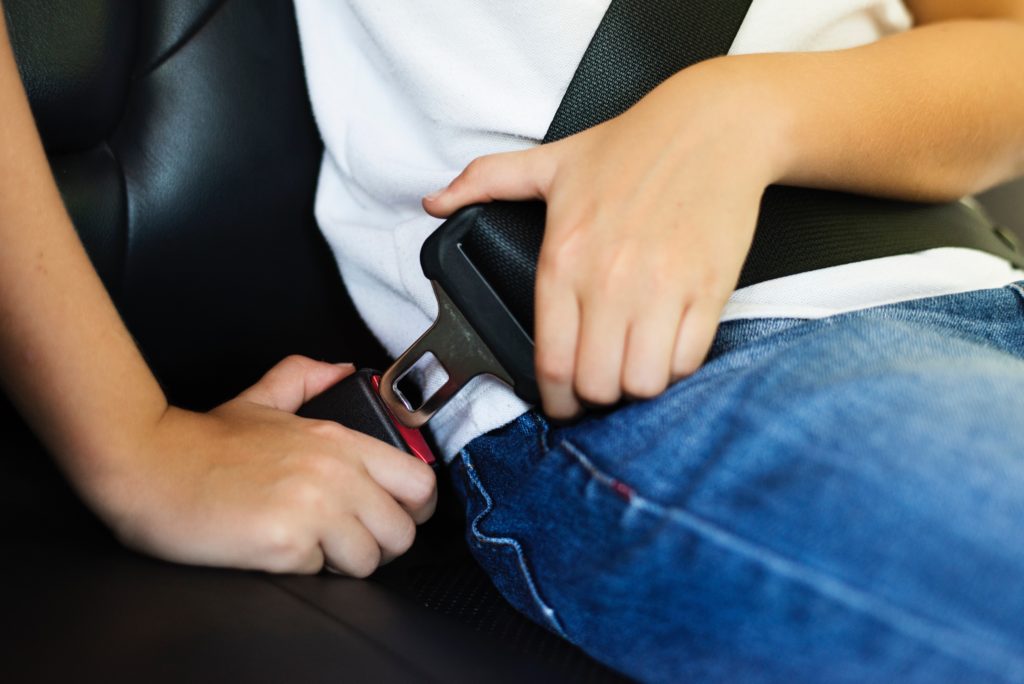
With few exceptions, each person in every vehicle must buckle up, and children younger than 16 must use safety seats until they are large enough to use seatbelts designed for adults.
If you have been injured in a head-on crash, contact a North Carolina car accident attorney to find out what legal recourse you may have. Call our office today.