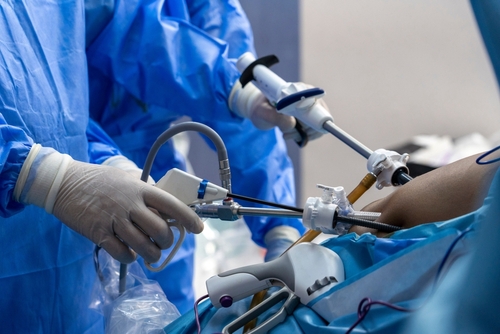
Gallbladder surgery (cholecystectomy) is one of the most common surgeries performed in the United States, according to the National Institutes of Health (NIH). If your doctor says your gallbladder needs to go, the promise of a minimally invasive surgical option can seem like the ideal solution. The procedure creates smaller incisions and allows you to recover faster than traditional open surgery. It has a reputation for being safe and is the preferred option in over 90 percent of cases today.
Nevertheless, sometimes mistakes happen. When something goes wrong during what’s often touted as a “routine” procedure, it can feel devastating. Laparoscopic gallbladder injuries can cause a lot of pain and illness, and sometimes, even permanent injuries.
At Shapiro, Washburn & Sharp, we have had many patients come to us after having suffered an injury during laparoscopic gallbladder surgery. Our firm is recognized as a Tier 1 “Best Law Firm,” and our lawyers have been repeatedly named to the prestigious Super Lawyers list. We use that experience to press for answers and compensation when a “routine” surgery results in harm to the patient. Below, we explain the most common injury we deal with, and explain what your rights are in recovering damages for yourself and your family.
If you or a loved one suffered due to a medical error, call our Virginia Beach medical malpractice lawyers today at 833-997-1774 for a free consultation.
What is the Gallbladder?
The gallbladder is a small, pear-shaped organ located beneath the liver. Its job is to store bile, a digestive fluid produced by the liver that helps break down fats in the food you eat, making them easier for your system to process.
When you eat a meal, the gallbladder releases bile into a series of ducts or tubes that lead to the small intestine. Normally, bile flows freely from the gallbladder through the cystic duct into the common bile duct, reaching the small intestine to aid digestion. As long as everything is working well, your gallbladder helps with digestion.
What Can Go Wrong with the Gallbladder?
The most common gallbladder problem is when it forms what are called “gallstones.” These are pebble-like deposits composed of cholesterol, bile salts, or waste products such as bilirubin. They can form if the bile has too much cholesterol, if the gallbladder doesn’t empty out completely, or if the bile sits too long without moving. According to the National Institute of Diabetes and Digestive and Kidney Diseases (NIDDK), gallstones are very common, affecting 10 to 15 percent of the U.S. population, which is almost 25 million people.
These stones can cause intense pain, inflammation, and infection. When they block ducts, they can cause gallbladder attacks, which lead to sudden upper-right abdominal pain, nausea, and vomiting. They can also lead to gallbladder infection, pancreatitis, and jaundice from bile backing up into the liver.
This is why doctors often recommend removing the gallbladder to provide the patient with relief. Other conditions that may lead to gallbladder removal include gallbladder inflammation, gallbladder polyps, or gallbladder muscle dysfunction.
When surgery becomes necessary, surgeons have the option to perform traditional surgery, which requires a large incision in the abdomen, or to use laparoscopic surgery, which uses several small incisions and promises a faster recovery with less scarring. Today, they most often choose the laparoscopic option because of the benefits for the patient, but there is one major trade-off: the surgeon has a limited, camera-based view of the patient’s anatomy rather than the wide, direct view they would have during traditional surgery.
Why Does Limited Visibility Matter?
This limited view that doctors have of laparoscopic surgery increases the risk that they may misidentify delicate structures around the gallbladder. They have to know where the cystic duct is and the cystic artery, so they are sure not to harm these when they go to clip out the gallbladder.
If they don’t know exactly where these are, or misidentify them, there is a risk they could cut the wrong thing. Our firm has handled cases where surgeons failed to visualize the anatomy correctly, leading to serious injuries.
Cutting the common bile duct is one of the most dangerous mistakes our clients have suffered from. This is the duct that serves as the main highway from the liver to the small intestine. When a surgeon mistakenly cuts it, bile begins to spill into the abdominal cavity.
The human digestive system was never designed to handle bile outside of its designated pathways. When it spills into the abdomen, it acts as a caustic, toxic substance that can cause severe inflammation and damage to the surrounding organs and tissues.
Patients who suffer common bile duct injuries during laparoscopic gallbladder surgery often become critically ill very quickly. The bile causes pain, fever, nausea, and vomiting. As it builds up, it can cause a severe infection of the abdominal lining, and in many cases, lead to a body-wide inflammatory response that can cause organ failure and death if not treated immediately.
Patients may need emergency surgery to repair the duct, clean the bile from the abdominal cavity, and place drainage tubes to help prevent any additional problems.
The road to recovery after this sort of injury is long and difficult. Patients may have to undergo multiple surgeries before the damage is fully repaired. Sometimes, doctors have to create a new connection between the liver and the small intestine to bypass the damaged duct.
Even with all these procedures, some patients suffer permanent injuries to their digestive tract and end up suffering from lasting pain, digestive problems, and recurring infections. The financial impact can be catastrophic, as patients often face extended hospital stays, multiple surgeries, expensive diagnostic procedures, and long-term medical care. Many are unable to work while going through all this, adding to their mounting medical expenses.
What Other Risks Are There?
Though a common bile duct injury presents the most serious complications, there are other potential risks that patients should be aware of. These include injury to other nearby organs such as the liver, small intestine, or colon; bleeding from blood vessels in the surgical area; infection at the incision sites or within the abdomen; and adverse reactions to carbon dioxide gas used to inflate the abdomen during surgery.
Patients also face the standard risks associated with anesthesia, including allergic reactions, breathing difficulties, heart rhythm abnormalities, and, in rare cases, more serious complications like malignant hyperthermia (a reaction to certain anesthetic medications). These are uncommon, but they mean healthcare providers must be on their toes both before and after surgery to ensure the patient’s safety.
What Are My Options After a Gallbladder Surgical Injury?
When a laparoscopic gallbladder surgery results in a serious injury, patients and their families may be eligible to seek compensation for their injuries by filing a medical malpractice claim. The main requirement is that patients must show negligence by the surgeon or the healthcare team.
One of the most important parts of a medical malpractice investigation is securing the operative report, photographs, or video of the procedure, and post-operative imaging. These records can show whether the surgeon followed accepted safety steps before cutting or clipping anything.
Patients who come to us for help have an advantage, as our team acts quickly to preserve this sort of evidence. Hospitals aren’t likely to highlight these details voluntarily, so having someone on your side who will push for this evidence helps.
How a Medical Malpractice Attorney Can Help
The hospital and the related insurance companies are likely to insist that any injuries fall under the “known complications” category, but that doesn’t mean you may not have a case. Patient safety guidelines, for example, stress that bile duct injuries usually occur because of surgeon error in identifying anatomy, not random chance. Yet the hospital will have a legal team standing ready to defend its interests from the start.
At Shapiro, Washburn & Sharp, our team will go to work for you right away to secure the evidence we need to present a strong argument in your favor. If you or a loved one has suffered this sort of injury, contact us right away. We’ll help you pursue full compensation for your damages, as we did for our client who sustained a clipped common bile duct injury during gallbladder surgery. With expert testimony and thorough preparation, we helped negotiate a $425,000 settlement on our client’s behalf.
We look forward to hearing from you at one of our locations: Virginia Beach, Norfolk, Portsmouth, Suffolk, Hampton, and Chesapeake.