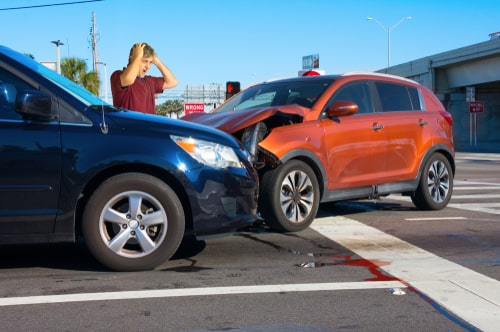
The “100 Deadly Days of Summer” is a term that refers to the period between Memorial Day and Labor Day in the United States, a span of time when traffic accidents, fatalities, and injuries increase significantly. This period, which typically lasts from late May to early September, is notorious for its higher rates of motor vehicle collisions, including fatal and serious accidents. The reasons for these dangerous days are varied and complex, driven by factors such as increased travel, holiday celebrations, weather conditions, and an influx of young, inexperienced drivers.
If you are injured in a crash this summer, first seek medical help and then contact a Norfolk car accident attorney from Shapiro, Washburn & Sharp to find out how we can help.
What Makes the Summer “Deadly?”
Several factors combine during the summer months to create hazardous driving conditions, leading to more accidents, injuries, and fatalities on the road.
Increased Traffic Volume
One of the primary reasons for the uptick in accidents during the summer months is the sheer volume of vehicles on the road. As schools let out, families take vacations, and people travel to holiday destinations, there are more cars on highways, streets, and rural roads. In particular, major holiday weekends such as Memorial Day, the Fourth of July, and Labor Day see large numbers of people driving long distances to visit family, friends, or vacation spots. This heavy traffic can lead to congestion, road rage, and dangerous driving behavior, contributing to a higher risk of accidents.
Young and Inexperienced Drivers
The summer months also coincide with school vacations, which means younger, less experienced drivers are on the road. Teenagers, many of whom are newly licensed drivers, take to the streets during the summer, often with little to no experience in handling high-stress or high-traffic driving conditions. According to the National Highway Traffic Safety Administration (NHTSA), teenage drivers are involved in a disproportionately high number of traffic accidents during the summer, particularly during the “100 Deadly Days.” These accidents are often due to inexperience, distracted driving, and risk-taking behavior.
Alcohol Consumption
Summer holidays often bring celebrations and parties, and alcohol consumption is a common element of these events. However, alcohol impairs judgment, reaction times, and coordination, which increases the likelihood of dangerous driving. During the “100 Deadly Days,” the frequency of drunk driving accidents spikes, particularly on weekends and around major holidays. According to NHTSA, drunk driving remains one of the leading causes of fatal crashes during this time, with nearly one-third of all summer fatalities linked to alcohol consumption. Law enforcement agencies respond with increased sobriety checkpoints and DUI patrols, but despite these efforts, impaired driving remains a significant concern.
Weather and Environmental Conditions
While summer weather is often favorable for outdoor activities and road trips, it can also introduce dangerous driving conditions. Thunderstorms, heavy rain, and heat waves are common during summer, creating hazards that make driving more dangerous. Wet roads reduce traction and increase stopping distances, while heat can lead to tire blowouts or engine failures. Additionally, strong sun glare can significantly affect visibility, especially during the early morning and late afternoon hours. These weather conditions, combined with a higher number of drivers on the road, create a dangerous mix.
Road Construction and Maintenance
Summer is also a peak time for road construction projects, as weather conditions make it easier to perform repairs and improvements. Road closures, detours, and construction zones can add confusion and stress to drivers, leading to an increased chance of accidents. Drivers may be unfamiliar with the construction areas, and the presence of workers, heavy machinery, and narrow lanes adds complexity to driving. These situations require increased caution and attention from drivers, yet many fail to adjust their behavior, contributing to accidents and injuries.
Statistics and Impact of the “100 Deadly Days”
The statistics surrounding the “100 Deadly Days of Summer” reflect the seriousness of this issue. According to the National Safety Council, summer months consistently see an increase in traffic fatalities compared to other times of the year. On average, there are over 1,000 traffic deaths each month during the summer months, a figure that spikes even higher during the major holiday weekends. Memorial Day weekend alone typically records a high number of fatalities due to a combination of heavy traffic and drunk driving. In fact, the three-day Memorial Day weekend is often one of the deadliest periods of the year on U.S. highways.
During the summer months, the number of motor vehicle-related injuries also rises. In addition to fatalities, many drivers, passengers, and pedestrians suffer severe injuries that require long-term medical care and rehabilitation. These injuries can have profound physical, emotional, and financial consequences for those involved, as well as their families.
The Demographic Impact
The demographic groups most impacted by the “100 Deadly Days” are young drivers, pedestrians, and cyclists. Teenagers and young adults are especially at risk due to a combination of inexperience and risk-taking behaviors. According to the Centers for Disease Control and Prevention (CDC), motor vehicle accidents are the leading cause of death for individuals aged 15 to 24, with a significant portion of those fatalities occurring during the summer months.
Pedestrians and cyclists are also at a higher risk during this time, as more people are out walking, biking, and enjoying outdoor activities. These vulnerable road users are often involved in accidents, particularly in urban areas with high traffic volume.
Prevention and Safety Measures
Several preventive measures can be taken to reduce the dangers of the “100 Deadly Days. ” Public awareness campaigns are critical in educating drivers about the risks of summer driving, the importance of seat belts, and the dangers of drunk driving. The “Click It or Ticket” campaign, for example, aims to encourage seat belt use, while the “Drive Sober or Get Pulled Over” campaign targets impaired drivers.
Law enforcement agencies increase patrols and enforcement during the summer months, focusing on areas known for high accident rates and busy holiday weekends. Sobriety checkpoints, speed traps, and distracted driving enforcement help reduce risky behavior on the road.
Additionally, drivers themselves must take responsibility for their safety. Planning trips in advance, checking the weather forecast, avoiding alcohol before driving, and taking breaks during long drives can help reduce the likelihood of accidents. It’s also important for drivers to be extra cautious around young drivers and construction zones, adjusting speed and maintaining a safe distance.
Call Our Personal Injury Law Firm for Help
At Shapiro, Washburn & Sharp, we are dedicated to holding impaired drivers accountable for their actions. We are determined that they will pay the financial damages for the losses our clients have suffered, including medical expenses, loss of income, pain and suffering, emotional anguish, disfigurement, and permanent disability, like the $3.5 million jury award we obtained for our client who suffered irreversible brain damage and incurred physical disabilities when a drunk driver hit her car head-on. Contact our office today for a free case evaluation with one of our seasoned Norfolk car accident lawyers.
For your convenience, we have offices in Virginia Beach, Hampton, Portsmouth, Norfolk, Chesapeake, Suffolk, and Kitty Hawk, North Carolina.