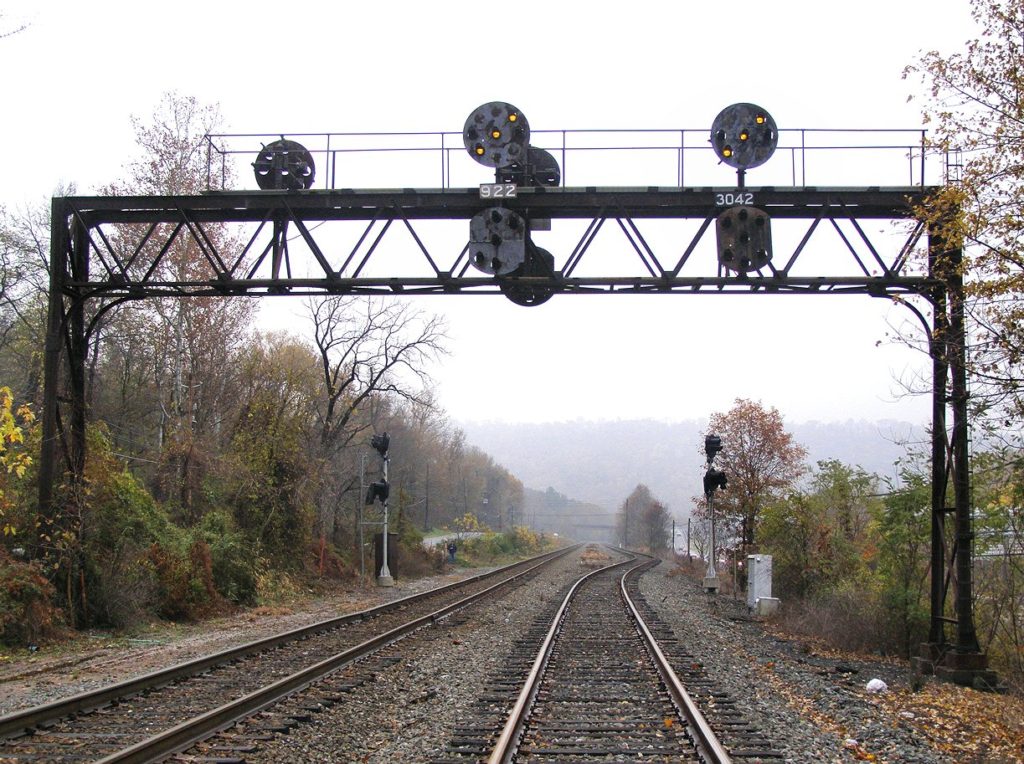
Railway work is dangerous, particularly when railroad workers are exposed to moving equipment, tracks, and switching devices. A small mistake or misjudgement can lead to serious injury. That’s why federal safety rules require railroads to have strict procedures in place to protect workers in hazardous areas. One important safety system is blue flag protection.
If you work on or around trains, railcars, or railroad equipment, understanding these rules is important. A skilled Norfolk railroad injury attorney from Shapiro, Washburn & Sharp can help railroad workers understand whether a railroad followed required safety rules after an accident and explain how federal railroad safety regulations may affect their claims. Our experienced railroad lawyers accept certain types of cases throughout the eastern U.S.A.
What Is Blue Flag Protection?
Blue flag protection is a railroad safety system used to protect employees who are working on, under, or around trains and railroad equipment. In simple terms, a blue flag or blue signal tells others that workers are nearby and that equipment should not be moved until it is safe.
When blue flag protection is in place, railroad cars or locomotives generally cannot be moved, coupled, or operated in ways that could place workers in danger. It’s simple: workers need to know equipment will be left in place when they inspect, repair, test, clean, or work around it.
Federal safety rules recognise the fact that railway workers frequently work in close proximity to heavy equipment that can move suddenly. Engineers, conductors, maintenance workers, inspectors, mechanics, and track workers may be able to use blue flag protection to minimise the risk of unexpected movement.
Federal safety rules enforced by the Federal Railroad Administration protect blue flags. To help workers do their jobs more safely, railroads must follow certain procedures about how they place, remove, and respect blue signal protections.
Blue flag protection can also mean blue light protection, depending on the type of equipment.
What Is a Railroad Derail?
A railroad derail is a safety device placed on a track to intentionally guide train wheels off the rail before equipment enters an unsafe area. That may sound strange at first because derailments are usually associated with accidents. But in this case, the derail is to prevent something worse from happening.
Think of a derail as a guard rail. When railcars begin to roll where they shouldn’t, the derail helps to stop or redirect them before they get onto occupied tracks, industrial sidings, repair areas, or into areas where workers might be. The idea is similar to placing bricks or boards under the wheel of a car to stop it rolling away. Here, the train is sent “to the ground” to the side of the active tracks, as a lesser evil than letting the train cars roll into stationary cars, often in a rail yard or rail siding. All railroad workers are familiar with railroad “derails.”
Derails are commonly placed near industrial tracks, rail yards, storage tracks, and switching areas. Often, they help to keep moving rail cars from hitting equipment or moving into places where railway workers are working.
Derail areas are particularly important for safety rules, because they usually involve switching activity, rail movement, and workers in the area.
Why Can Working Around Derails Be Dangerous?
Areas around railroad derails can be dangerous places because railroads are dynamic environments where crews move around, talk to each other, and deal with changing track conditions. Workers can be walking near equipment, inspecting railcars, adjusting switches, or making repairs while trains and railcars are in motion nearby.
Someone may think that the equipment is secured, only to discover that someone else misheard instructions or put the equipment somewhere else. In other cases, poor communication among employees, train crews, or supervisors can cause dangerous confusion about who is allowed to move a train or railcar into a rail yard or siding area.
You can get just as hurt on equipment moving at low speeds. If railcars move unexpectedly or safety procedures are ignored, workers can suffer crushed injuries, broken bones, amputations, spinal injuries, or fatal injuries, even with train cars moving very slowly.
This is one reason federal railroad safety rules place so much emphasis on blue flag protection and communication between railroad employees around “derails,” which require blue light protection measures.
What Federal Rules Apply to Blue Flag Protection Around Derails?
Federal railroad safety rules regarding blue signal or blue flag protection are located in Title 49 of the Code of Federal Regulations, Part 218, Railroad Operating Practices. The purpose of these rules is to help protect workers from being injured by moving railway equipment.
In essence, federal law generally requires railroads to protect workers before railway cars or locomotives are serviced, inspected, repaired, or worked on. Once blue flag protection is in place, equipment should not be moved until proper procedures are followed and authorized workers remove the protection.
These protections matter in rail yards, industrial tracks, switching areas, and repair locations where derail systems may also be present. While federal rules do not focus on protecting the derail itself, they help protect workers who may be working around equipment, track systems, or operating areas involving derails.
The rules also stress clear communication. Workers need to know when equipment is protected, who controls movement, and who has permission to remove a blue signal and move train cars through an area protected by a “derail.” A misunderstanding of these procedures increases the risk of a serious accident.
Failures for blue flag protection may be an important issue in an investigation when railway workers are injured following unexpected train movement. A Norfolk railroad injury attorney can review whether the railroad safety regulations were adhered to and whether railroad workers were properly protected when working near railroad equipment or derail areas. When a “derail” properly derails a cut of train cars, it’s usually because someone made a mistake in the set position of a derail, which either allows cars to pass an area, or is set to derail any cars to protect an area.
What Happens If Blue Flag Safety Rules Are Ignored?
When railroads don’t follow required blue flag/blue light safety procedures, workers can be left with life-altering injuries. Equipment may be moved, in some cases, before workers complete repairs or inspections. In other cases, a blue signal may be cut off too early, or workers are not clearly warned about a dangerous movement.
After a serious railway injury, investigators may look at safety procedures, railway operating rules, witness statements, communication records, maintenance documents, and federal safety compliance issues to see if required protections were ignored. Violation of railroad safety regulations by a railroad make the railroad liable to an employee hurt due to the failure to follow blue flag rules.
Why Is Blue Flag Protection Essential Around Derails?
Blue flag protection is important because railway workers deserve a safe place to work while doing dangerous jobs. Railway equipment is heavy, powerful, and at times unpredictable if safety systems fail or procedures are not followed.
If you were injured in a railroad accident involving inadequate blue flag protection, a derail failure, or another workplace safety violation, contact our nationally recognized Norfolk railroad injury attorney at (833) 997-1774 or through our online contact form to schedule a free legal consultation.
Our law firm has extensive experience fighting for injured railroad workers, successfully securing the compensation they are legally entitled to, like the $370,000 settlement we obtained for one client who suffered back and neck injuries when the locomotive he was in passed over a track switch and derailed.
Our offices are located in Norfolk, Portsmouth, Hampton, and Virginia Beach. We proudly represent injured railroad workers and the families of deceased railroad employees throughout the eastern United States.