RESULTS: $1.85 Million Settlement
DATE: January 2026
COURT: Confidential
ATTORNEY: Richard N. Shapiro
PARALEGAL: Paula S.
WHAT HAPPENED:
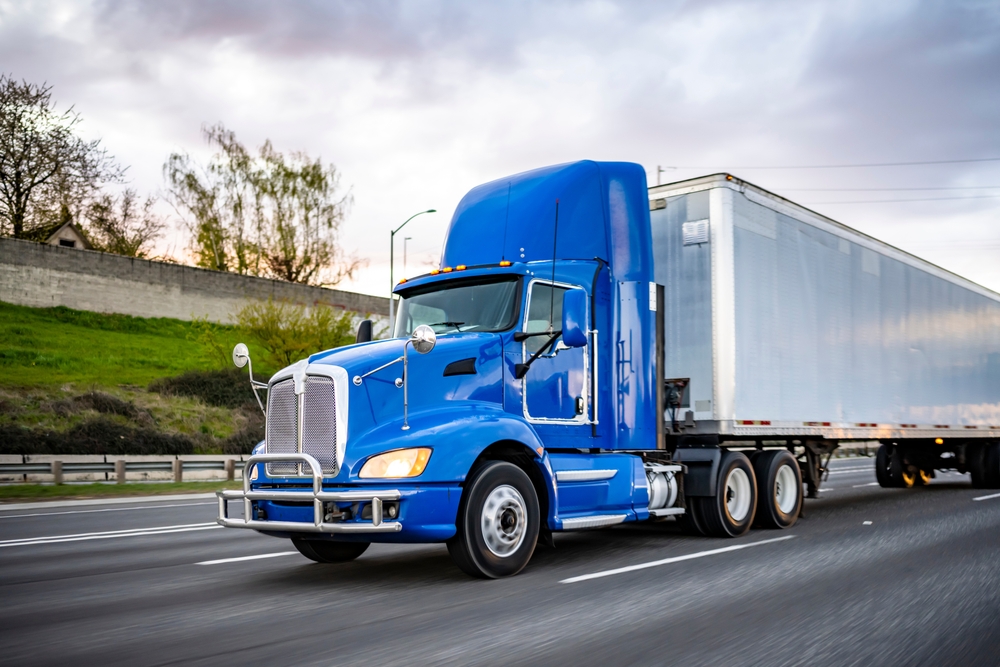
Our client worked for a railroad and was riding as a passenger in railroad equipment that travels along the railroad tracks, called high rail equipment. The railroad vehicle had headlights and running lights and was crossing a two-lane highway at night, but the operator of a tractor-trailer failed to heed not only the railroad crossbuck sign before the rail crossing area, but also that commercial vehicles have a duty to slow or stop to avoid railroad equipment at any railroad crossing.
The railroad vehicle was thrown about 30 feet as the rail equipment entered the highway due to the inertia of the impact with the tractor-trailer. Our client suffered immediate neck pain and was treated at a local emergency room (details of this case have been withheld due to confidential terms). Our client was medically unable to return to his railroad duties and later underwent neck surgery.
KEY LEGAL STRATEGIES:
In cases involving railroad workers, whether they have claims against their railroad employer or against a third-party company, such as a tractor-trailer or commercial truck driving company, our counsel searched for statutes or regulations that the driver of a tractor-trailer may have violated. So, we reviewed the applicable commercial motor vehicle standards and regulations. A commercial driver approaching a railroad crossing has these duties:
392.10 Railroad grade crossings; stopping required.
(a) [The] driver of a commercial motor vehicle specified in paragraphs (a) (1) through (6) of this section shall not cross a railroad track or tracks at grade unless he/she first: Stops the commercial motor vehicle within 50 feet of, and not closer than 15 feet to, the tracks; thereafter listens and looks in each direction along the tracks for an approaching train; and ascertains that no train is approaching. When it is safe to do so, the driver may drive the commercial motor vehicle across the tracks in a gear that permits the commercial motor vehicle to complete the crossing without a change of gears. The driver must not shift gears while crossing the tracks.
Our railroad worker had a seat belt but no shoulder harness, and had a potential claim against his employer regarding his securement in the vehicle, as well as a claim against the tractor-trailer driver who bashed into the piece of railroad equipment while attempting to cross the rail crossing.
We focused most of our attention on the tractor-trailer company because federal regulations applied to commercial vehicles and required them to slow or stop at railroad crossings, but the driver in question was traveling 45 miles an hour or more and failed to slow down as he approached the crossing. Our strategy was to bring a suit against the trucking company and its driver and to advise the railroad employer that we might be able to settle with the railroad for a minor sum to assist in the overall settlement.
We went to mediation against the tractor-trailer company alone. Once we were on the verge of settling this matter for $1.75 million, we contacted the railroad employer and asked if they would contribute approximately $100,000.00. If most railroad companies contribute to a third-party case, railroad workers for many railroads don’t have a duty to repay their health insurance medical expenses incurred due to the injury. Our client underwent neck surgery after trying to avoid surgery at all costs and incurred significant medical expenses. By virtue of the railroad contributing $100,000.00 to the settlement, our client did not have to repay any medical expenses incurred under his health insurance.
Ultimately, the case was settled for approximately $1.85 million, with both parties involved. The jurisdiction and other details of the parties have been withheld under a confidentiality agreement.