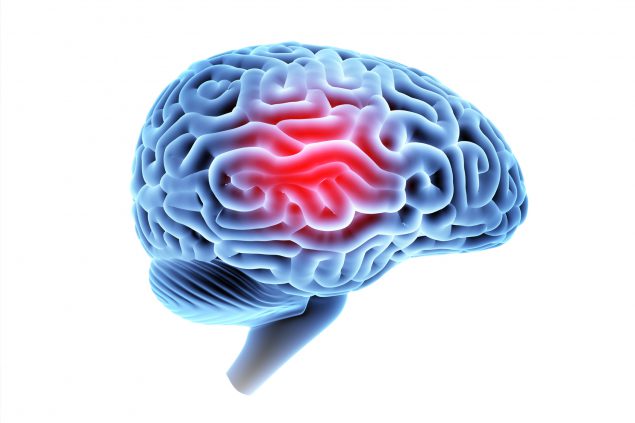
Traumatic brain injury (TBI) cases are often challenging because the nature of the injury is not visible to the naked eye, which is why these cases are sometimes referred to as “invisible injury” cases. Proving the extent and impact of a brain injury requires comprehensive medical evidence, careful collaboration with medical professionals, and thoughtful presentation of that evidence to the jury. In these cases, demonstrating how the injury affects the client’s life, behavior, cognitive function, and emotional well-being is critical.
If you have been diagnosed with a brain injury caused by another party’s negligence, we are here to help. At Shapiro, Washburn & Sharp, we represent traumatic brain injury victims on a contingency-fee basis, meaning you won’t pay any legal fees unless we win your case.
Contact us today at 833-997-1774 for a free consultation.
How Do You Work With Medical Professionals to Build a Traumatic Brain Injury Case?
The foundation of any TBI case lies in the medical care and evaluation that the client receives after the injury. To build a strong case, attorneys must work closely with the professionals involved in the client’s treatment, including neurologists, psychologists, psychiatrists, and physical therapists. These experts help explain the nature of the brain injury, the diagnostic studies performed (such as MRIs, CT scans, or EEGs), and how those studies reveal the severity of the injury.
It’s essential to gather all the relevant medical records, notes from doctors, and any treatment plans that outline the care provided. Additionally, the attorney may need to collaborate with these professionals to create a visual presentation of the diagnostic studies that is both easy for the jury to understand and impactful in showing the invisible nature of the injury.
How Do You Present Diagnostic Studies in Traumatic Brain Injury Cases?
Diagnostic studies, such as brain imaging results or cognitive testing, provide essential evidence for proving the existence and extent of a traumatic brain injury. However, simply having these studies isn’t enough. For a jury to grasp the impact of a TBI, they must be able to see and understand the findings. This is where the role of medical professionals comes into play.
Attorneys will often work with doctors and imaging specialists to present these diagnostic results visually, often through diagrams or animations, to make it clearer how the injury is affecting the brain. A medical expert may also testify to the specific changes in brain function caused by the injury. This can include areas of the brain that are damaged and how those areas affect the client’s daily life, cognitive abilities, and overall well-being.
What Types of Visual Presentations Are Used to Explain Traumatic Brain Injuries to a Jury?
One of the most effective ways to communicate the impact of a brain injury to a jury is through visual presentations. These visuals help translate complex medical information into something that is accessible and compelling for the jury. Common visual aids include brain scans that highlight areas of damage, as well as 3D animations that show how the injury affects brain activity. Cognitive and psychological assessments are often illustrated using charts or graphs that compare pre- and post-injury functionality.
Lawyers may also incorporate photographs or videos of the client before and after the injury to demonstrate any changes in behavior, mood, or cognitive function. The goal is to make the invisible injury visible, so the jury can understand the true extent of the suffering and loss the client has experienced.
How Do You Integrate Psychological and Emotional Impact Into a Traumatic Brain Injury Case?
Traumatic brain injuries often have psychological and emotional consequences that may not be immediately apparent but can significantly impact a client’s life. These consequences are particularly difficult to demonstrate because they are internal and subjective. To address this, lawyers work with psychologists, psychiatrists, and other mental health professionals who can assess the emotional and behavioral changes caused by the injury. These experts provide testimony about how the injury has affected the client’s mental health, including conditions such as depression, anxiety, memory loss, and personality changes.
Expert testimony, combined with the client’s personal accounts of their emotional struggles, is critical for illustrating the full scope of the injury. Lawyers will also present therapy or counseling records to show the ongoing emotional and psychological impact.
How Can Your Personal Injury Law Firm Help?
If you or a loved one has suffered a brain injury due to the negligence or recklessness of another party, call Shapiro, Washburn & Sharp to schedule a free case evaluation and find out what legal recourse your family has for the losses you have sustained.
Call us today at 833-997-1774 to schedule a free consultation with a traumatic brain injury lawyer. Let us help you get the care and compensation you need. We handle cases on a contingency fee basis, so you won’t pay any legal fees unless we win your case.