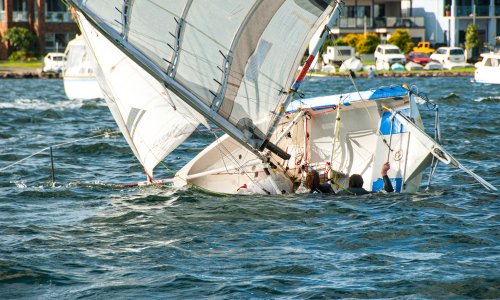
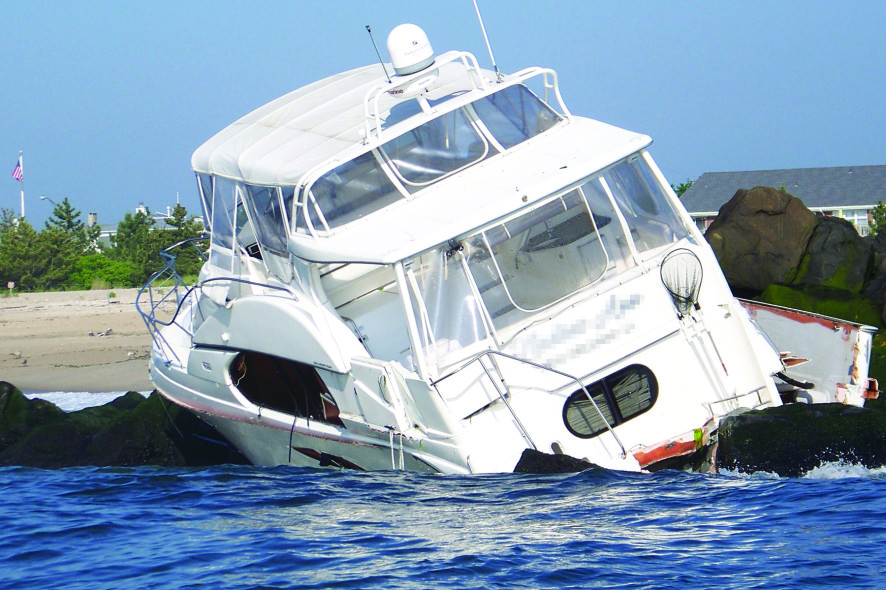
Boat accidents tend to increase during the summer months, when waterways are more crowded and recreational boating is at its peak. Unfortunately, these accidents can result in serious injuries or fatalities, leaving victims and families unsure about their legal rights. One of the most important issues in any boating injury case is timing. Knowing which statute of limitations applies and which laws govern the claim can make the difference between preserving a case and losing it forever.
Just like when you’re injured in a car accident, you may be able to recover damages from boating insurance if you’re injured in a boating accident. The process is similar. If you have been the victim of an injury in a boating, water skiing, or jet skiing accident, call Shapiro, Washburn & Sharp at 833-997-1774 for a free consultation and to explore your options.
What Is the Statute of Limitations for a Boating Accident Claim?
The statute of limitations is the legal deadline for filing a lawsuit. In boating accident cases, that deadline depends largely on where the accident occurred. If the accident took place on the waters or navigable waterways of Virginia, the Virginia statute of limitations typically applies, even though boating accidents are generally governed by federal maritime law.
In Virginia, most personal injury claims must be filed within a specific time period after the injury occurs. Missing that deadline usually means losing the right to pursue compensation, no matter how serious the injuries may be. Because different states have different filing deadlines, determining the correct statute of limitations requires careful analysis of the accident location.
Does Federal Maritime Law Always Apply To Boating Accidents?
Boating accidents that occur on navigable waters are generally governed by federal maritime law. Navigable waters include rivers, bays, coastal waters, and other waterways used for interstate or commercial navigation. If the accident occurs on such waters, federal law will apply to issues like liability and legal standards.
However, even when federal maritime law applies, state statutes of limitations often still control how long a victim has to file a claim. This overlap between federal and state law is one of the reasons boating accident cases can be legally complex. Understanding both systems is essential to ensuring a claim is filed correctly and on time.
Does Distance Offshore Affect Jurisdiction or Legal Deadlines?
How far offshore an accident occurs does not necessarily remove it from federal jurisdiction. An accident can happen many miles offshore and still be governed by federal maritime law. The key issue is whether the location qualifies as navigable waters under maritime principles.
Jurisdiction and accident location are often determined with the assistance of the United States Coast Guard. Much like police officers responding to a roadway accident, the Coast Guard typically investigates boating accidents and prepares an official report. That report can be critical in determining where the accident occurred, which laws apply, and which court may have jurisdiction.
Because offshore boundaries and navigability are legal determinations, they are not always obvious to injured boaters. This is why relying on official reports and experienced legal analysis is so important in these cases.
Why Is Early Legal Guidance Important After a Boating Accident?
Boating accident cases often involve multiple layers of law, including federal maritime rules and state statutes. Evidence may include Coast Guard reports, vessel maintenance records, navigation data, and witness statements, all of which may be difficult to obtain later if action is delayed.
Waiting too long can also create confusion about which statute of limitations applies, especially if the accident occurred near state borders or offshore. Early legal guidance helps ensure that deadlines are identified correctly, evidence is preserved, and claims are filed in the proper jurisdiction.
If you or someone you know was seriously injured in a boating accident, understanding where the accident occurred and which laws apply is critical. These cases are not handled the same way as ordinary car accidents, and mistakes about timing or jurisdiction can be costly. Working with an experienced personal injury lawyer who understands the intricacies of boating law will help maximize your chances of receiving compensation for your injuries and losses.
At Shapiro, Washburn & Sharp, our motto is “All we do is injury law.” We only represent accident victims, never the at-fault party. Our personal injury attorneys are dedicated to obtaining the best possible outcome for our clients, as evidenced by the more than $100 million in settlements and verdicts we have obtained.
Call us at 833-997-1774 to schedule a free consultation, and let us help you get the compensation you deserve.
Boat accidents tend to increase during the summer months, when waterways are more crowded and recreational boating is at its peak. Unfortunately, these accidents can result in serious injuries or fatalities, leaving victims and families unsure about their legal rights. One of the most important issues in any boating injury case is timing. Knowing which…
Charter boat accidents are very common because we have a lot of charter boat fishing trips, charter boat captains, and vacationers who take charter boat fishing trips for their enjoyment. One of the things that is different in a charter boat case that may not be apparent to you if you are only experienced with…
When the weather is nice, and the sun starts shining, many people begin going outdoors and going on the waterways in this area. The Virginia Beach area has many waterways, providing people with the opportunity for boating, jet skiing, and water skiing. Unfortunately, sometimes people get hurt. In these situations, a boat accident lawyer can…