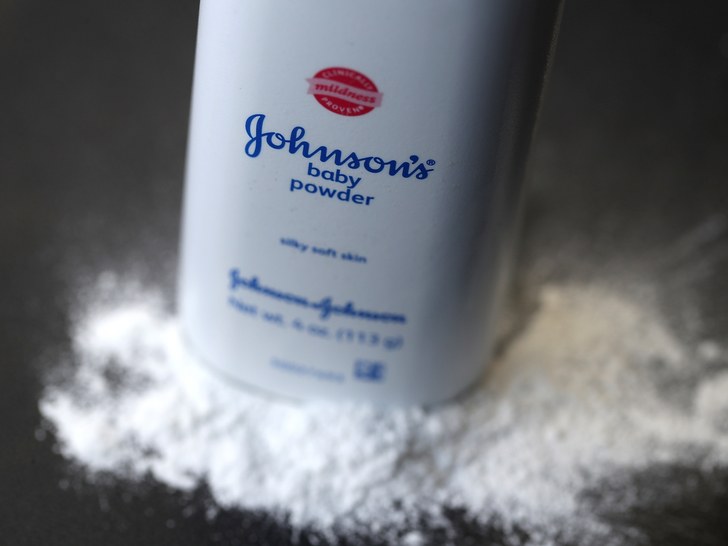
Women who have been diagnosed with ovarian cancer may be wondering how they can prove that their condition was caused by prolonged exposure to talc powder. Talc powder, commonly used in products like baby powder, has been linked to an increased risk of ovarian cancer in some studies. However, proving the connection between talc use and ovarian cancer can be complex.
In legal cases, showing direct evidence that talc is still present in the ovaries is not always necessary. Instead, the key is demonstrating that repeated exposure to talc contributed to the development of ovarian cancer.
If you’ve been injured by a dangerous or defective product, the legal team at Shapiro, Washburn & Sharp can evaluate your case to determine what legal recourse you may have. We can assess your claim and guide you through the legal process to ensure you receive the compensation you deserve. Call us today at 833-997-1774 for a free consultation.
How Can Talc Be Found in the Ovaries?
One of the first questions women may have when pursuing a legal case for ovarian cancer caused by talc powder is how to prove that talc is present in their ovaries. While proving the presence of talc in the ovaries is not always necessary in court, there are ways to detect it.
In some cases, a biopsy of the ovaries may be performed, and the tissue can be examined under a microscope to look for talc particles. If talc is found in the tissue, it can provide direct evidence linking talc exposure to cancer. However, this method is not always required in a legal setting. The presence of talc in the ovaries is compelling evidence, but it’s not the only way to prove a causal connection between talc use and ovarian cancer.
In many legal cases, the focus is on demonstrating that repeated exposure to talc powder over time has increased the risk of ovarian cancer. Even without direct evidence of talc in the ovaries, other methods can be used to show the link between talc use and the disease.
What Evidence Can Be Used to Prove That Talc Caused Ovarian Cancer?
In a court of law, the burden of proof does not necessarily require showing that talc is still present in the ovaries. Instead, the focus is on the “greater weight of the evidence” to establish that talc use contributed to the development of ovarian cancer. There are several ways to build this case:
Scientific and Medical Studies
Numerous studies have linked the use of talc powder, particularly in the genital area, to an increased risk of ovarian cancer. Expert medical witnesses can testify to the findings of these studies, which suggest that talc particles, when used in the genital area, can travel through the reproductive system and become embedded in the ovaries, potentially leading to cancer.
Epidemiological Data
Courts often rely on epidemiological data that shows a statistical correlation between talc use and ovarian cancer. This data helps establish a pattern of increased risk for women who have used talc powder over a long period of time. Epidemiological studies that demonstrate a higher incidence of ovarian cancer in talc users can be instrumental in supporting the claim.
Expert Testimony
Expert witnesses, such as oncologists, toxicologists, and epidemiologists, can provide testimony about the mechanisms by which talc exposure may contribute to ovarian cancer. These experts can explain the scientific evidence in a way that the jury can understand, helping to establish the link between talc use and the disease.
Medical History and Records
Personal medical records showing a history of talc use, particularly over a long period, can also play a significant role in proving the case. If a woman can demonstrate that she used talc powder regularly over the years, this information, combined with expert testimony, can help show that the exposure contributed to the development of her cancer.
How Can a Product Liability Lawyer Build a Strong Case for Talc-Related Ovarian Cancer?
Proving that ovarian cancer was caused by talc powder use requires a multifactorial approach. A skilled product liability attorney will build a strong case by gathering all relevant evidence and presenting it most compellingly. The lawyer will likely work with medical experts, toxicologists, and epidemiologists to establish that talc exposure contributed to the plaintiff’s cancer.
The attorney will also examine the history of talc powder products and their manufacturing companies. For example, if it can be shown that the manufacturer knew about the risks associated with talc and failed to warn consumers, this could strengthen the case and potentially lead to punitive damages in addition to compensatory damages.
In addition to medical and scientific evidence, a product liability lawyer will focus on demonstrating that the plaintiff’s ovarian cancer is consistent with the patterns of cancer seen in other women who have used talc products. By compiling all the evidence and presenting it in a clear, persuasive manner, the lawyer can help prove that talc use played a significant role in the development of the cancer.
What Are the Legal Challenges in Talc-Related Ovarian Cancer Lawsuits?
One of the primary challenges in talc-related ovarian cancer lawsuits is overcoming the defendant’s arguments, which often include claims that there is insufficient scientific evidence to prove causation. Talc manufacturers may argue that there is no direct proof linking their products to cancer or that the evidence is inconclusive. In such cases, expert testimony and strong epidemiological data become critical in countering these claims.
Talc manufacturers may attempt to minimize the risk by suggesting that other factors contributed to the cancer, such as genetic predisposition or other environmental exposures. To succeed, plaintiffs must have a compelling case that demonstrates, by the preponderance of the evidence, that talc use significantly increased their risk of developing ovarian cancer.
Have You Been Exposed?
At Shapiro, Washburn & Sharp, we have decades of experience handling personal injury claims involving dangerous and defective products. We understand how to navigate the legal process and work with you to maximize the value of your case. Call us at 833-997-1774 to schedule a free consultation, and let us help you get the compensation you deserve.
Women who have been diagnosed with ovarian cancer may be wondering how they can prove that their condition was caused by prolonged exposure to talc powder. Talc powder, commonly used in products like baby powder, has been linked to an increased risk of ovarian cancer in some studies. However, proving the connection between talc use…
Talc, a mineral used in a variety of consumer products, has been linked to ovarian cancer in recent years, leading to significant controversy surrounding its use, particularly in products like talcum powder. While talc has long been marketed as safe for use in personal care products, research has increasingly suggested that long-term exposure to talc,…
Talc powder companies, particularly during the mid-20th century, marketed their products aggressively to women, emphasizing the use of talc for feminine hygiene. These marketing campaigns often targeted specific demographics, including Black and Hispanic women, with culturally tailored messaging that associated talc powder with cleanliness, freshness, and elegance. Over time, concerns have arisen about the potential…
Decades ago, Johnson & Johnson – as well as other manufacturers – was asked to put warnings on its baby powder products about the risk of ovarian cancer. They declined and fought any connection between cancer of the ovary and their products. During the 1990s, they even formed a task group specifically to get the…