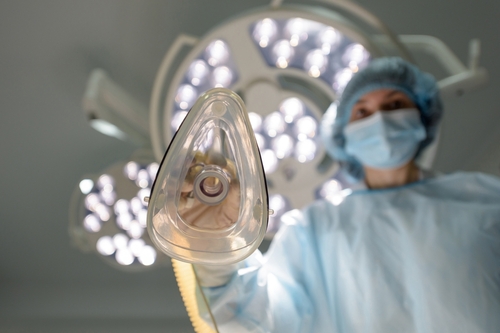
Medical malpractice cases can arise from many types of healthcare mistakes, but anesthesiology errors stand apart from most other claims. These cases involve unique risks, distinct legal issues, and often catastrophic outcomes for patients and families. Understanding what makes anesthesiology malpractice different can help injured patients recognize when a serious error may have occurred and why these cases demand careful legal and medical review.
Shapiro Washburn & Sharp has been fighting for injured clients for over forty years. If you believe you’ve been a victim of medical malpractice, call our office at 833-997-1774 to schedule a free consultation to learn more about your legal rights and options for seeking justice and maximum compensation.
Why Are Anesthesiology Errors Unique Compared to Other Medical Malpractice Cases?
One of the most striking differences in anesthesiology error cases is that patients typically do not choose their anesthesiologist. In most medical situations, you select your surgeon, obstetrician, or primary care physician after consultations and recommendations. An anesthesiologist, however, is usually assigned by the hospital or surgical facility.
In many cases, patients do not meet their anesthesiologist until moments before surgery, if at all. Some patients may not even know the anesthesiologist’s name until medical records are reviewed later. Despite this lack of choice, anesthesiologists play one of the most critical roles during surgery, making their actions especially significant in malpractice claims.
What Role Does the Anesthesiologist Play During Surgery?
Anesthesiology is a highly specialized field, and the anesthesiologist, along with their medical team, controls some of the most vital functions of the human body during a procedure. They administer medications that render a patient fully unconscious or consciously sedated, manage pain control, and continuously monitor breathing, heart rate, blood pressure, and oxygen levels.
During surgery, the anesthesiologist is effectively responsible for keeping the patient alive and stable. Even small deviations from accepted medical standards can have immediate and devastating consequences. Because patients are unable to communicate distress while under anesthesia, they are entirely dependent on the anesthesiology team to recognize and respond to problems in real time.
How Can Anesthesiology Errors Lead to Hypoxia and Severe Injury?
One of the most dangerous outcomes associated with anesthesiology errors is hypoxia, which is a lack of sufficient oxygen reaching the brain and other organs. Hypoxia can occur if airways are improperly managed, oxygen delivery is interrupted, monitoring equipment is misused, or warning signs are ignored.
When hypoxia occurs, the results can be catastrophic. Patients may suffer permanent brain injury, fall into a vegetative state, or experience brain death. In some cases, hypoxia leads to fatal outcomes. Unlike many other medical malpractice injuries, anesthesiology-related hypoxic injuries often happen suddenly and leave little opportunity for recovery, making these cases particularly tragic for families.
Why Is Specialized Legal and Medical Review Critical in These Cases?
Anesthesiology malpractice cases require a deep understanding of complex medical standards and hospital protocols. Attorneys handling these claims must know how to identify violations of anesthesiology standards of care, interpret anesthesia records, and work with qualified anesthesiology experts who can review what went wrong.
These cases often involve extensive medical documentation and technical details that are not obvious to non-specialists. Experienced attorneys know how to locate appropriate experts and evaluate whether an anesthesiology error directly caused serious harm or death. Firms that regularly handle these cases are also familiar with the long-term consequences families face after catastrophic injuries, including lifelong medical care, loss of income, and profound emotional loss.
Anesthesiology error cases are among the most serious medical malpractice claims because the anesthesiologist’s role directly affects survival during surgery. If you or a family member suffered severe injury or loss following a surgical procedure, it may be worth having the case reviewed by one of our medical malpractice lawyers who understands both the medical science and the legal standards involved.
Acting quickly is crucial. Medical malpractice claims have strict time limits, and waiting too long can prevent you from seeking the compensation you deserve. Contact our office today at 833-997-1774 for a free consultation. We are ready to help you understand your legal options and ensure that your rights are protected.