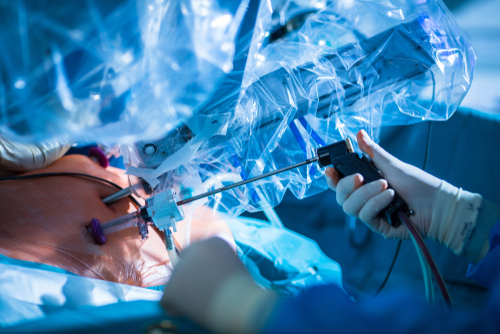
Laparoscopic surgery is often described as a safer, less invasive alternative to traditional open surgery. Smaller incisions usually mean less pain and faster recovery. However, these procedures are not without serious risks. One of the most dangerous complications is a bowel or colon perforation. When this happens, patients and families are often left wondering whether the injury was an unavoidable complication or a preventable medical error.
At Shapiro, Washburn & Sharp, our experienced medical malpractice attorneys have successfully handled cases where surgical errors led to severe harm. If you or a loved one has suffered from a surgical error, it’s crucial to seek legal advice as soon as possible. Our experienced lawyers represent clients on a contingency-fee basis, meaning you won’t pay any legal fees unless we win your case. Contact us today for a free consultation at 833-997-1774 to learn more about your legal options and how we can help you pursue the compensation you deserve.
What Is Laparoscopic Surgery and Why Is The Bowel at Risk?
Laparoscopic surgery involves making several small incisions instead of one large incision. Through these openings, surgeons insert trocars, which allow surgical instruments and a camera to enter the abdomen. The surgeon does not directly view the organs. Instead, the entire procedure is performed by watching a video monitor that displays the camera’s view.
Because of this limited, indirect visualization, the bowel is always at risk during laparoscopic procedures. Instruments such as ligation devices and cutting tools are inserted through trocars and maneuvered near delicate organs. Even a small miscalculation can result in an inadvertent cut or perforation of the bowel or colon. These injuries are especially serious because bowel contents can leak into the abdomen, creating a medical emergency.
Are Bowel Perforations Always Medical Malpractice?
Not every bowel perforation during laparoscopic surgery automatically qualifies as medical malpractice. The key issue is not simply whether the injury occurred, but how it was handled. Some bowel injuries are recognized immediately during surgery. When this happens, the surgeon can often repair the damage right away, sometimes during the same operation, and prevent further complications.
If the surgeon identifies the injury promptly and repairs it correctly, and the patient recovers without additional harm, the incident may be considered a known surgical risk rather than negligence. Laparoscopic surgery carries inherent dangers, and the law recognizes that complications can occur even when doctors act appropriately.
When Does a Bowel Injury Become a Possible Violation of Medical Standards?
The most important question in evaluating these cases is whether the surgeon recognized the bowel injury at the time it occurred. If a surgeon fails to notice a perforation during the procedure and closes the patient without repairing it, the consequences can be devastating.
When a bowel perforation goes undetected, patients are often sent home believing their surgery was successful. Over the next hours or days, bacteria and waste can leak into the abdominal cavity, leading to infection and sepsis. Sepsis is a life-threatening condition that can cause organ failure, prolonged hospitalization, permanent injury, or death.
A failure to recognize and address a bowel injury during surgery is often viewed as a deviation from accepted medical standards. This delay in diagnosis and treatment, rather than the initial cut itself, is what frequently forms the basis of a medical malpractice claim.
What Should Patients or Families Ask If They Suspect a Bowel Injury?
If you or a loved one experienced severe pain, fever, abdominal swelling, or rapid deterioration after laparoscopic surgery, it is reasonable to ask specific questions. Was the surgeon aware of any complications during the operation? Were post-operative symptoms promptly investigated? Was imaging ordered when symptoms appeared, or was the patient sent home too soon?
Cases involving missed bowel perforations are among the most serious surgical malpractice claims because the harm often comes from delay rather than the initial injury. These cases typically require extensive medical review, including operative reports, hospital records, and expert analysis of surgical standards.
Bowel perforations can require emergency surgery, prolonged intensive care, and long-term recovery. In some cases, patients face permanent digestive issues or life-altering complications. If a surgeon failed to recognize and treat a bowel injury during laparoscopic surgery, having the case evaluated by an experienced medical malpractice attorney can help determine whether the injury was preventable and whether legal options may be available.
If you suspect something went wrong, asking the right questions early can make all the difference in understanding what happened and protecting your rights. Surgical errors can lead to severe complications, including sepsis, and holding negligent healthcare providers accountable is essential. At Shapiro, Washburn & Sharp, our medical malpractice attorneys represent victims of surgical errors and medical negligence. Contact our office today at 833-997-1774 to schedule your free consultation with a doctor malpractice lawyer, and let us help you understand your legal options.