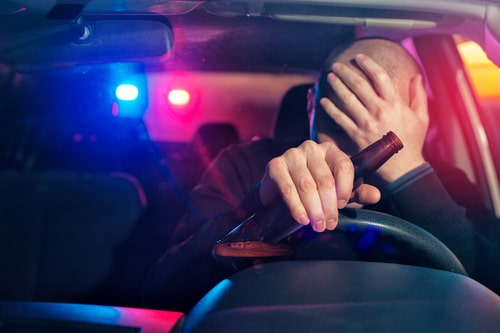
On May 24, 2025, a 57-year-old man was driving through Virginia Beach when he was hit by another car that ran a stop sign at Bowling Green Drive. He was taken to the hospital and died of his injuries. The police later arrested the driver and charged him with involuntary manslaughter, driving under the influence (DUI), refusal of a blood/breath test, reckless driving, and failure to obey a traffic sign.
Unfortunately, stories like this are all too common. According to the Virginia Department of Motor Vehicles (DMV), there were over 14,000 DUI convictions in the state in 2023 from nearly 7,000 alcohol-related crashes. These resulted in 293 fatalities.
Victims of crashes like these and their families are often left devastated by these accidents. As they try to deal with the physical and emotional fallout, they may wonder, “Can I recover my damages in a personal injury case?” And “Might I be eligible for punitive damages?”
At Shapiro, Washburn, & Sharp, we’ve represented many clients who’ve been injured or killed in drunk driving accidents across Virginia. We know how the law can help. Call our Virginia Beach car accident lawyers today at 833-997-1774 for a free consultation.
How DUI Cases Differ from Other Car Accident Cases
Most car accident claims in Virginia involve negligence—a legal term that means the at-fault party didn’t take reasonable care in their actions. For example, if a driver runs a red light while checking their phone and causes a crash, that’s negligent behavior. They didn’t mean to hurt anyone, but they failed to act safely while behind the wheel.
Drunk driving is a different kind of accident because it goes beyond negligence. It’s considered reckless or willful misconduct because the driver knew that driving while intoxicated could cause someone else serious harm, but decided to do it anyway. Choosing to get behind the wheel in that situation is not an accident. It’s a deliberate decision, and Virginia law recognizes that difference when it comes to awarding damages.
Understanding the Three Types of Damages
In any personal injury case, there are usually two types of damages you can seek for your injury compensation: economic damages and noneconomic damages.
Economic Damages
These are the measurable costs of the accident, including medical bills, ambulance transportation costs, physical therapy expenses, and the costs of follow-up visits. If the injured person had to miss work because of their injuries—or if they can’t go back to their job at all—they may also receive compensation for lost income or lost earning capacity. These types of costs are clear-cut and documented through receipts, employment records, and medical statements, and sometimes through expert witness testimony.
Noneconomic Damages
These cover the more personal consequences of an injury and are also referred to as intangible damages. They are harder to calculate because there are no clear-cut receipts or statements that reflect the actual cost. After all, it’s difficult to put a number on things like pain, suffering, emotional distress, anxiety, trauma, and the loss of enjoyment of life.
For example, someone who used to enjoy hiking or playing with their grandchildren but now, because of the accident, suffers chronic pain or post-traumatic stress disorder (PTSD) may be entitled to compensation for those life changes. Juries are routinely asked to fix damages for all the relevant intangible damages that the victim has proven under the law.
In addition to these standard compensatory damages, if the at-fault driver in the accident was intoxicated, a third category may come into play: punitive damages.
What Are Punitive Damages?
Punitive damages aren’t meant to reimburse a victim for a particular type of loss. Instead, they’re designed to punish the person who caused the harm while deterring others from engaging in the same type of behavior. They send a message to the defendant and the broader community that this sort of thing is just unacceptable and will carry serious consequences.
Virginia law sets specific criteria for awarding punitive damages in drunk driving cases. Under Virginia Code 8.01-44.5, a victim can seek punitive damages if the drunk driver had a blood alcohol concentration (BAC) of 0.15 percent or higher and knew, or should have known, that they were too impaired to drive. A BAC of 0.15 is almost twice the legal limit in Virginia (0.08). At that level, most people have severely delayed reaction times, poor coordination, and impaired judgment.
Even if the driver refuses a breathalyzer or blood test, courts can still consider punitive damages if there is other strong evidence of intoxication besides an exact BAC result. These may include video footage, witness testimony, or police observations, such as slurred speech and the smell of alcohol.
In some cases, punitive damages may also be considered if the driver had a history of DUI arrests, fled the scene of the crash, or showed other signs of extreme recklessness.
Why Do Punitive Damages Matter?
Let’s compare two different car accident cases. In the first, a driver rear-ends another car because he’s distracted. In the second, a driver speeds through a school zone with a BAC of 0.18 and slams into a pedestrian. Both incidents might cause similar injuries, but the law treats them differently.
Punitive damages focus on how the harm was caused. If the person knowingly put someone in danger—when they chose to drive drunk—most would agree that they should be held to a higher level of accountability. This is important not only to deter this type of behavior in the future but also to provide additional financial resources to the victim. Punitive damages enhance the available damages when a reckless driver drinks and drives and causes injuries.
Drunk-Driving Bankruptcy—What Victims Should Know
What if the drunk driver files for bankruptcy? Bankruptcy typically protects individuals from being required to pay debts they can’t afford, such as credit card bills or medical expenses. But when it comes to drunk driving injuries, the rules are different.
Under federal bankruptcy law, specifically 11 U.S. Code 523(a)(9), any debt that results from a personal injury or wrongful death caused by a DUI cannot be discharged in bankruptcy. That means the driver will still be liable for compensation to the victim, even if they otherwise go bankrupt.
This is good for victims of DUI accidents because it prevents drunk drivers from escaping responsibility through the courts and makes sure that injured people still have the right to collect damages awarded in a lawsuit.
Am I Eligible for Punitive Damages?
If you were hurt in an accident caused by a drunk driver, you may wonder whether your case qualifies for punitive damages. It will depend on several factors, including the driver’s blood alcohol level, their past behavior, the severity of their misconduct, and any available evidence.
For example, if the driver admitted to having “just one drink,” but their BAC was 0.17, that could be evidence supporting a punitive damages claim. Or, if witnesses saw the driver stumbling to their car or speeding erratically before a crash, that could also be valuable evidence.
The best way to determine if you may be able to claim punitive damages is to talk to a qualified attorney who can evaluate the facts of your case and advise you on your options. When insurance adjusters know your attorney may press for punitive damages, the opportunity to settle your case goes up, and the settlement value may also go up.
How Our Personal Injury Law Firm Can Help
At Shapiro, Washburn, & Sharp, we understand what’s at stake in a drunk driving accident case. We’ve spent decades helping injury victims across Virginia get the compensation they deserve, and we know how to build a strong case for punitive damages when the law allows it.
If you’ve been injured in a crash with a drunk driver, contact us today. We’re here to help you understand your rights and to get you the best result possible, as we did for this client who suffered a broken hip and fractured vertebra when hit by a drunk driver. We helped negotiate a $200,000 settlement on his behalf.
You can find our law offices in Virginia Beach, Portsmouth, Norfolk, Suffolk, Hampton, and Chesapeake.