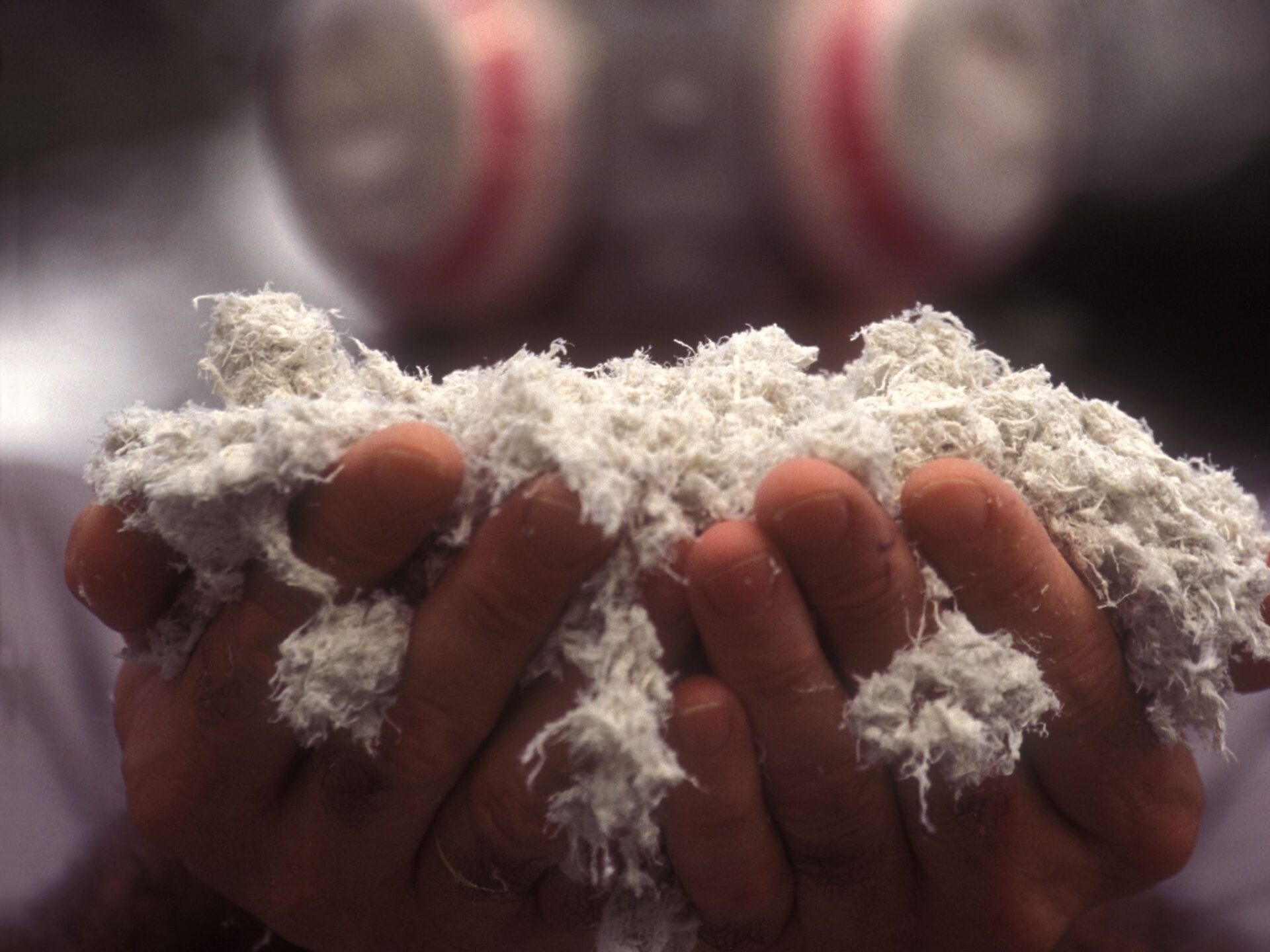
One of the leading causes of mesothelioma and other similar illnesses is asbestos exposure. A major hurdle in these claims is the delay between the initial exposure to asbestos and the onset of symptoms, which can take anywhere from 15 to 70 years. This gap makes it difficult to correctly pinpoint the exact time and place the victim was exposed. Those impacted by secondary asbestos exposure may have encountered asbestos from various sources, making it challenging to prove liability.
In fact, a study conducted in 2018 found that 30% of all mesothelioma cases nationwide are attributed to secondary asbestos exposure among the families of railway workers. Our railroad injury and disease law firm has handled secondary exposure cases for individuals who either worked for the railroad without a known source of asbestos exposure themselves, or for family members, such as a spouse who washed her husband‘s clothing for a long time. In this blog, we look at secondary exposure, how it happens, common health risks, and how it can be prevented. We also cover the legal obstacles that often come with filing these kinds of claims and discuss tried-and-true strategies for proving exposure, as well as the legal avenues open to victims who wish to pursue financial compensation.
If you have been diagnosed with mesothelioma or a related illness caused by secondary asbestos exposure after living with a railroad employee, call the experienced Virginia Beach asbestos lawyers at Shapiro, Washburn & Sharp. We would be happy to review your potential claim during a free, confidential consultation.
What Is Secondary Asbestos Exposure?
Whereas primary exposure is caused by workers handling asbestos materials directly, secondary exposure occurs when asbestos fibers are transported home or when invisible fibers are repetitively entrained through air to a work location separate from where the asbestos itself was actually being handled or disturbed. One of the most documented situations involves railroad workers: family members often inhaled asbestos dust while shaking out or laundering work clothes, or simply by living in close contact with contaminated garments over many years.
This typically occurs in one of two ways:
- Environmental exposure: People living or working near Railroad facilities could be at risk of environmental contamination.
- Occupational take-home exposure: Those who live with workers in industries such as railroading, manufacturing, shipbuilding, and construction are especially vulnerable.
How Does Secondary Exposure Occur?
Secondary asbestos exposure can occur in several different ways. Asbestos particles can cling to the clothing, boots, and gear of railroad employees, allowing fibers to be carried home. Wives, children, and other family members were exposed while washing uniforms, sweeping floors, or even hugging their loved ones at the end of a shift.
The alarming danger with mesothelioma cancer is that science and medicine have determined that even fleeting exposures, even one day, could trigger mesothelioma cancer, which makes mesothelioma an incredibly dangerous form of cancer caused by asbestos. Scientifically, the microscopic asbestos fibers can lodge in many different portions of the lungs and trigger a deadly cancer decades later. It’s hard to imagine a more random and toxic form of cancer.
Over time, this repeated contact created dangerous, prolonged exposure in households connected to railroad employment. Similarly, asbestos dust can accumulate on personal tools and inside vehicles, introducing the risk of repeated, prolonged exposure. The convoluted and indirect nature of these pathways makes secondary exposure hard to prevent and detect.
What Are the Health Risks of Secondary Exposure?
While “indirect exposure” may not sound very threatening, it can cause serious health problems. Asbestosis, lung cancer, and mesothelioma are just a few of the conditions linked to the inhalation of asbestos fibers. These severe illnesses are often asymptomatic for years and decades, making late-stage diagnoses and limited treatment options the norm.
This risk is especially high for family members of railroad workers who faced repeated or prolonged secondary exposure over the years from contaminated clothing and household contact.
How Can I Prevent Secondary Asbestos Exposure?
Taking steps to prevent secondary asbestos exposure is vital, particularly for railroad workers whose families may unknowingly come into contact with asbestos fibers brought home from the job. The big problem is that preventive measures taken decades after exposure, when the family member had no idea there were asbestos fibers on clothing, won’t be effective.
Employers have a duty to supply appropriate protective gear in good working order and ensure that their workers adhere to a strict decontamination protocol, such as taking a shower and changing their clothes before leaving the facility.
What Challenges Are Involved in Filing a Secondary Exposure Claim?
Proving liability in these cases can be especially difficult. For families of railroad workers, the challenge lies in showing that asbestos brought home on work clothing, sometimes decades earlier, was the primary source of illness. Because many railroad companies have merged, reorganized, or shut down, tracing responsibility requires detailed occupational histories and expert testimony.
This is where our firm comes in; we have reports, memos, and documents that include the types of equipment railroads used, which were asbestos-containing materials. We’ve handled dozens of cases in the past against Norfolk Southern, CSX, and even Amtrak involving asbestos exposure.
How Can I Build a Strong Secondary Exposure Claim?
Establishing a strong case requires victims, particularly the family members of railroad workers, to connect their illness directly to asbestos exposure in the home, supported by concrete evidence.
This may include:
- Documented proof of asbestos in the workplace, often our firm has reports and documentation from decades prior to when the family member approaches our law firm for representation
- The high-risk worker’s employment records
- Testimonies from family, friends, coworkers, even supervisors, colleagues, and cohabitants
- Medical records showing a direct link between the victim’s diagnosed condition and asbestos exposure
- Expert witnesses, such as medical professionals and industrial hygienists, can use specialized assessments to strengthen your case
Are There Any Effective Strategies for Proving Secondary Asbestos Exposure?
A skilled Virginia Beach railroad asbestos lawyer can strengthen claims by documenting railroad safety practices, obtaining testimony from former coworkers, and presenting scientific evidence about the dangers of asbestos fibers carried on uniforms. Railroad family cases are especially compelling when records show the company failed to provide laundry facilities, protective gear, or warnings about the risks to loved ones at home.
What Are the Legal Options for Victims of Secondary Exposure?
Secondary exposure victims are not without their legal options, such as filing personal injury claims for asbestos-related illnesses and wrongful death claims for surviving family members of deceased victims. Holding railroads and employers responsible necessarily involves proving negligence, such as failing to notify workers of asbestos hazards and inadequate safety measures. Compensation in secondary exposure cases can cover medical bills, lost earnings, and emotional trauma.
All We Do Is Injury Law
Establishing secondary asbestos exposure in legal claims is a complicated process that requires professional analysis and painstaking evidence collection, and our firm has a specialization involving claims against railroads. When you work with a Virginia Beach Railroad asbestos lawyer from Shapiro, Washburn & Sharp, you are gaining an advocate who understands the nuances of your case, can perform a comprehensive investigation, and gather statements, records, and other vital evidence that backs your claim and maximizes your compensation.
Using these methods, we recently achieved a $5 million award for the wrongful death of a Norfolk Southern worker who developed asbestosis caused by workplace exposure. Keep in mind that many of our cases are confidential settlements because railroads often require confidentiality.
If you or a loved one developed mesothelioma after years of living with a railroad worker, you may have a right to pursue compensation for secondary asbestos exposure. Contact our nationally recognized Virginia Beach asbestos lawyers at (833) 997-1774 or fill out the contact form on our website to schedule your free case review. We have offices in Virginia Beach, Norfolk, Portsmouth, and Hampton.
RELATED CONTENT
- When Should You Contact a Virginia Asbestos Attorney?
- What Is the Difference Between Railroad Asbestos Direct Exposure and Take-Home Exposure?
- Mesothelioma Guide